

How to Register with Msport in Nigeria
Get started with Msport today! Register easily to enjoy the latest Nigerian sports updates, live scores, exclusive features and more ⚽📱 Stay connected with every kick!
Edited By
David Nnaji
Training your dog with Msport dog house tricks offers more than just fun; it keeps your pet physically engaged and mentally sharp. The dog house becomes more than a resting spot — it transforms into a training arena where your canine can learn, exercise, and stay entertained.
These tricks are designed to use the dog house’s space effectively, encouraging your dog to develop agility, obedience, and focus, all within a familiar environment. This reduces distractions that often occur in open spaces and helps the dog associate the dog house with positive activities.
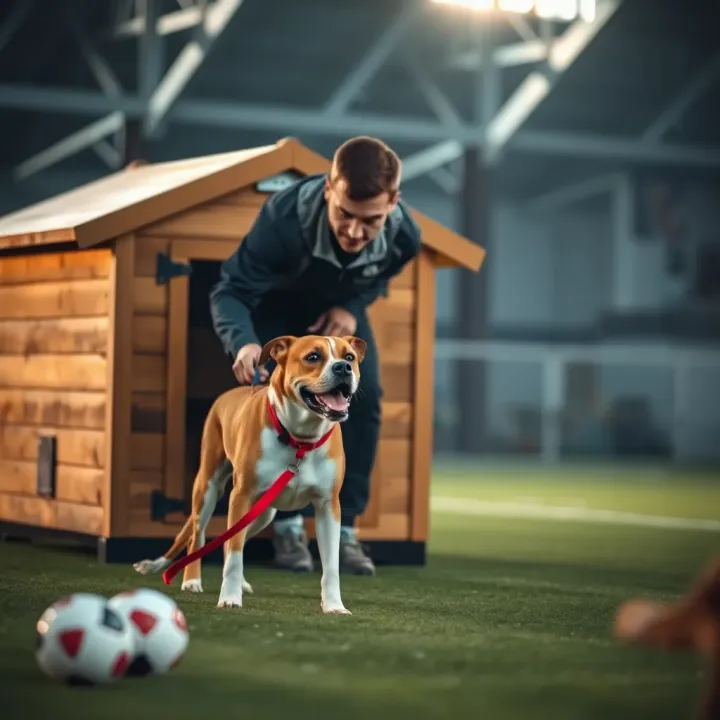
Controlled setting: The dog house provides a defined area for training, limiting distractions from the outside environment.
Safety: This contained space keeps your dog secure while trying out new tricks.
Familiarity: Dogs tend to respond better in familiar surroundings, contributing to quicker lessons.
Start with simple commands like "sit," "stay," and "come" within or around the dog house. Use treats or favourite toys to reward your dog immediately after the correct action. The dog house can be a marker for certain behaviours— for instance, teaching your dog to enter and lie down in the dog house on command boosts discipline.
Consistency is key in teaching these tricks; short, daily sessions of about 10-15 minutes work better than long, sporadic ones.
Make sure the dog house is comfortable and inviting. Add a soft mat or blanket—the comfort encourages your dog to want to spend time there. Using clicker training or simple verbal cues alongside treats can significantly improve learning speed.
Training in this way enhances your dog’s physical health by encouraging movement that strengthens joints and muscles. Mentally, it challenges your pet and helps to reduce boredom, which often leads to destructive behaviours at home.
By using the Msport dog house as a training zone, you create an interactive and productive environment. The dog becomes responsive, active, and happier, making your relationship stronger and more enjoyable.
To maintain progress, follow up with regular practice and gradually introduce more complex tricks as your dog masters the basics.
Understanding Msport dog house tricks is the first step in using your dog's home as an effective training and play area. These tricks combine physical activity and mental challenge within the dog house environment, making training more engaging and practical. Mastering these skills won't just entertain your canine but will also foster discipline and improve focus.
Msport dog house tricks refer to specific commands and playful routines that revolve around your dog’s house—whether training it to enter, stay inside, or interact purposefully with its structure. This approach extends beyond traditional tricks by incorporating the physical space of the dog's house as part of the learning process. For example, your dog may learn to jump over the dog house or wait patiently inside it before an activity.
These tricks differ from general dog commands like "sit" or "fetch" because they involve spatial awareness and interaction with a fixed structure. Instead of solely focusing on obedience, Msport tricks enrich your dog’s environment and mental stimulation. This makes training a more dynamic activity, creating varied challenges based on the dog house itself.
Common dog house tricks include teaching your dog to enter and exit on command, wait inside calmly, or perform agility tasks such as jumping over the house or circling around it. These tricks help build your dog’s confidence while strengthening obedience through structured play.
The dog house serves as a familiar environment for your dog, which makes it an ideal place to begin or intensify training. Since the dog associates the house with safety and comfort, learning new skills there can reduce anxiety and encourage faster progress. For instance, a dog hesitant to learn outside in a noisy setting might show better focus in the quiet confines of its house.
Using a confined space like a dog house limits distractions, allowing your dog to concentrate better. This is especially useful for puppies or dogs new to training, as the environment helps them link commands directly to actions involving their own space. Being in a smaller, controlled area also helps owners monitor and guide training with less effort.
Beyond familiarity and controlled space, the dog house enhances comfort during training by offering shelter from the weather, a known resting spot, and a physical boundary that signals rest or active learning time. This structure can become a consistent cue in your training routine, so your dog learns to associate the house with both relaxation and play, making the entire process enjoyable and productive.
Using the dog house as a training space blends comfort, focus, and familiarity to make learning more effective for dogs of all ages and sizes.
Proper preparation of both your dog and the dog house is essential for effective training, especially when teaching Msport dog house tricks. Without a suitable environment and a motivated canine partner, even the best training plans can falter. This stage sets the foundation for smooth sessions and better learning outcomes.
Space and size considerations matter a lot when selecting or setting up a dog house for training. The dog house should comfortably fit your dog with room for movement but remain confined enough to limit distractions. For instance, a large German Shepherd requires a spacious dog house that allows standing, turning, and lying down easily. On the other hand, a smaller breed like a Beagle needs a proportionally smaller space to feel secure. Proper sizing prevents unnecessary stress and helps your dog associate the house with a pleasant, safe spot.
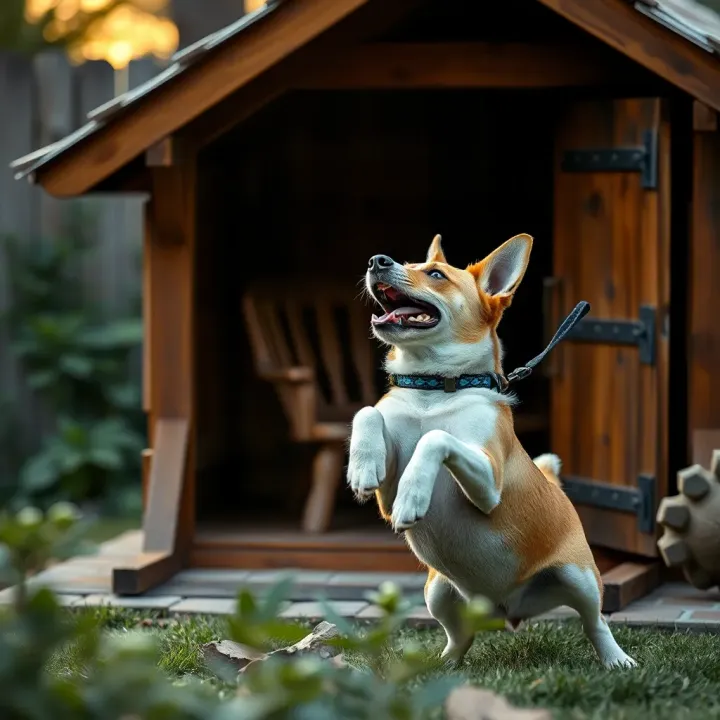
Safety and comfort features play a critical role in ensuring your dog’s well-being during training. Sharp edges, loose nails, or toxic paint must be absent to avoid injuries. Insulation against the elements and proper ventilation contribute to lasting comfort, especially in Nigeria’s hot climate. Adding soft bedding or mats inside can also reduce pressure on joints during longer stays in the house, promoting positive associations.
Positioning the dog house at home influences both accessibility and the dog’s focus during training. Placing the dog house in a quiet corner of the compound minimizes interruptions from loud street noise or busy road traffic, common in cities like Lagos or Abuja. Meanwhile, it should remain within sight of family members to keep the dog feeling included. Avoid areas with excessive sun exposure during peak ember months to prevent overheating.
Assessing your dog’s temperament before training helps customise approaches and manage expectations. Some dogs are naturally curious and eager to learn, while others might be timid or stubborn. Take time to observe how your dog reacts to new environments and commands. A nervous dog may need gradual introduction to the dog house, starting with short visits paired with treats and praise.
Building motivation and trust is key to encouraging participation without force or anxiety. Positive reinforcement strengthens this bond. For example, praising your dog gently and offering favourite snacks right after completing a trick boosts motivation. Over time, your dog will look forward to training sessions instead of seeing them as a chore.
Tools and treats to aid training provide useful support in teaching dog house tricks. Clickers, for instance, help mark precise moments of correct behaviour, making it easier for your dog to associate commands with actions. Use high-value treats like suya-flavoured bites or small pieces of boiled egg, which Nigerian dogs often love, to maintain attention and reward effort.
Carefully preparing your dog and dog house can transform training from a struggle into an enjoyable activity, improving results and deepening the bond between you and your pet.
Training your dog to master tricks around the dog house requires a clear, practical approach. This section breaks down essential commands and entertaining activities that use the dog house as both a tool and a play space. A step-by-step guide ensures consistency, helping owners build their dog’s confidence, focus, and agility in a familiar environment.
Sit, stay, and come commands are foundational moves every dog should learn, and practising these inside or near the dog house strengthens their understanding. Teaching these commands within the dog house offers a consistent training spot, helping your dog associate the space with discipline and responsiveness. For instance, asking your dog to "sit" at the dog house entrance before stepping inside builds control and attentiveness.
The dog house acts as a command marker, a tangible cue signalling the start or end of certain training commands. When you say “come,” your dog recognising the dog house as a safe point encourages timely response. This method minimises confusion, especially when training outdoors or in busy homes where distractions are frequent.
Enter and exit commands sharpen your dog’s obedience and spatial awareness. Teaching your dog to enter and exit on command reinforces routine and safety, especially useful when the dog house is part of their resting area. Practicing this ensures your dog can respond instantly, for example, when it’s time to come in from the rain or go outside.
Jumping high or low over the dog house adds a physical challenge that improves fitness and coordination. Start with encouraging your dog to step over the house edges gently, then graduate to brief jumps, adjusting for your dog’s size and agility. This trick not only entertains but boosts muscle strength, helpful for working dogs or breeds with high energy.
Waiting patiently inside the dog house develops impulse control. Training your dog to remain calm inside the dog house without rushing out fosters discipline and reduces anxiety. It is a practical skill for situations where your dog needs to stay put during visitors’ arrival or while you prepare their meal.
Hide and seek with the dog house is a clever way to engage your dog’s mind and senses. You can hide nearby or place treats inside the dog house, prompting your dog to seek actively. It encourages problem-solving and heightens their natural curiosity in a controlled manner. This game also deepens your bond through interaction.
Puzzle toys and interactive games nearby merge physical presence with mental stimulation. Leaving puzzle feeders or interactive chew toys near the dog house turns the space into a learning centre where your dog exercises patience, problem-solving skills, and concentration. Such activities reduce boredom, crucial in Nigerian homes where limited space and power outages can restrict outdoor play.
Practice these steps regularly, adjusting for your dog’s breed, age, and temperament, to keep your training effective and enjoyable. Using the dog house as a training base not only builds skills but makes lessons feel familiar and fun for your canine companion.
Training your dog with msport dog house tricks offers tangible advantages that impact both the dog’s wellbeing and the owner's experience. These tricks provide structured physical activity and mental engagement that keep your dog fit and happy, while also giving owners an opportunity to bond and communicate better with their canine companions.
Msport dog house tricks encourage movements like jumping in and out of the dog house, climbing, and balancing. These actions build your dog’s muscles and improve coordination. For example, a dog that regularly practices jumping on and off the dog house gains better agility — useful for everyday activities and helping to prevent injuries. In Lagos, where open spaces may be limited, these confined but active sessions offer dogs reliable exercise without the need for a park or open field.
Consistent physical activity through tricks inside or around the dog house helps burn calories and maintain healthy weight. It's especially helpful for city dogs that often have sedentary lives due to space constraints or busy owner schedules. With the naira’s volatility and rising costs of vet care for obesity-related conditions, keeping your dog active at home is cost-effective and practical. Even quick 10-minute sessions several times a day can make a big difference in preventing obesity.
Dogs left without mental challenges quickly become bored, which can lead to behaviours like chewing furniture or excessive barking. Msport dog house tricks introduce new commands and games that keep a dog's mind sharp and occupied. When a dog learns to wait patiently inside their dog house or play hide and seek, they are less likely to feel restless. Such engagement is important, especially during ember months when heavy rain and power outages keep dogs mostly indoors.
Tricks performed regularly within the dog house context reinforce obedience and teach self-control. Commands like "stay" and "come" used inside the dog house become clearer with repetition in a consistent environment. Over time, dogs learn routine and respect, reducing impatience or disobedience. Such discipline eases everyday tasks like vet visits, grooming at the barbing salon, or handling danfo rides.
Training msport dog house tricks creates moments where both owner and dog celebrate small wins together. These sessions often involve treats, praise, and positive reinforcement, knitting closer ties. An owner who takes time after work to interact this way shows the dog they are cared for, reducing separation anxiety common in busy Nigerian households.
Using the dog house as a familiar training space helps standardise communication cues. The dog quickly associates commands with specific actions and the environment, making future training smoother. Regular practice develops clearer signals from owner to dog, reducing frustration on both sides and improving lifelong understanding.
Consistency, physical activity, and mental exercises through msport dog house tricks build healthier dogs and happier owners — a win-win that’s especially valuable in busy Nigerian homes where every minute counts.
Together, these benefits show how msport dog house tricks go beyond play to positively influence health, behaviour, and relationships.
Training your dog with Msport dog house tricks is not a one-time hustle. Success lies in steady, consistent practice and smart adaptation to your dog’s needs. This section highlights practical tips to keep your training sessions effective and enjoyable, ensuring lasting benefits for both your dog and you.
Setting regular training sessions is fundamental for reliable progress. Dogs thrive on routine, so scheduling short, daily practices—say 10 to 15 minutes—helps build their skills steadily. For example, training your dog to stay inside the dog house before meals every day reinforces the behaviour naturally. The consistent cue-response cycle makes commands stick better than random, sporadic lessons.
Being patient during training is just as important. Dogs, especially puppies or older breeds, learn at different paces. Some might get the hang of entering and exiting the dog house within a few sessions, while others may need several repeats. Pushing too fast can confuse the dog or cause frustration both for you and your pet. Stay calm and maintain a positive tone, even if progress seems slow.
Rewarding progress and effort encourages your dog to keep trying, not just to perform perfectly. Even small steps—like initially sniffing around the dog house or sitting at its entrance—deserve praise or a treat. These reward signals tell your dog that it's on the right track.
Use tasty treats like small pieces of suya sticks or favourite kibble during early training stages. Gradually, mix in verbal praise and gentle petting so your dog learns to enjoy the activity itself, not just the food reward. That way, they won’t lose interest when treats run low.
Customising height and difficulty is key because not all dogs handle the same challenges alike. A large Boerboel might find it easy to step over a dog house boundary, but a smaller breed like the Maltese would struggle with the same height. Lower the hurdles or modify commands to fit your dog’s size.
For instance, if teaching “jump over” tricks, start with smaller obstacles such as a low plank near the dog house for tiny breeds. Gradually increase difficulty only when your dog appears confident and fit. This approach keeps training safe and fun.
Considering physical limitations means being mindful of your dog’s age and health. Older dogs or those with conditions like arthritis should avoid high jumps or long sessions that stress their joints.
Instead, focus on gentle commands like patiently waiting inside the dog house or doing sit/stay exercises. Adjusting exercises this way prevents injury and keeps your dog engaged without strain. For younger dogs, exercise levels can be more active but always watch for signs of tiredness.
Overtraining and burnout happen when sessions extend too long or repeat too frequently without rest. Dogs can get bored, frustrated, or physically tired, which undermines training outcomes.
Keep sessions short and sweet; end on a high note so your dog looks forward to the next round. If your dog loses interest or starts ignoring commands, it’s a cue to stop and try again another time.
Using negative reinforcement such as scolding or punishment during training is counterproductive. Dogs respond poorly to fear or pain, which damages trust and even causes behavioural problems.
Instead, focus on positive reinforcement—rewarding desired behaviour and gentle redirection when mistakes occur. For example, if your dog jumps out of the dog house early, guide them back calmly rather than shouting. This method maintains a healthy bond and ensures your dog enjoys the learning process.
Consistency, kindness, and smarter adjustments tailored to your dog's size and health create a training experience that benefits both you and your canine friend in the long run.
Get started with Msport today! Register easily to enjoy the latest Nigerian sports updates, live scores, exclusive features and more ⚽📱 Stay connected with every kick!

⚽ Ready to access Msport? This guide shows Nigerian users how to login securely, resolve common issues, and manage your betting account with ease. Stay safe and play smart!

Learn how to access MSport for sports betting & entertainment in Nigeria 🇳🇬. Get easy login tips, secure your account & enjoy a smooth experience every time 🏆

🖥️ Learn how to register for MSport online with ease — from account setup to payments in ₦. Step-by-step guide perfect for Nigerian users ready to get started!
Based on 5 reviews