

Effective Aviator Strategy for 2026
🎯 Master your Aviator game in 2026 with solid tactics, smart risk handling & tech tips tailored for Nigerian players. Boost winnings and sharpen your edge now! 💡
Edited By
George Aldridge
The 2026 Bundesliga season promises to bring fresh excitement and new challenges for clubs, bettors, and analysts alike. With some clubs rebuilding and others reinforcing key positions, the competition will likely be more intense than ever. This intro sets the stage for a detailed dive into team form, transfers, tactics, and crucial fixtures that will shape the title race, European qualification, and the relegation battle.
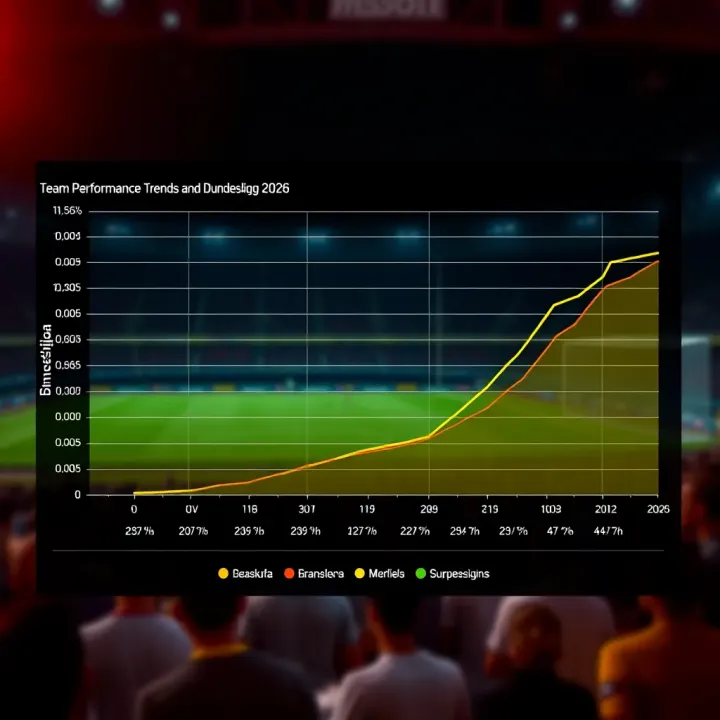
Several Bundesliga teams have already signalled intentions to shake things up. For instance, perennial contenders like Bayern Munich and Borussia Dortmund are expected to undergo tactical tweaks under new or adjusted managerial setups. Bayern, especially, may witness shifts in playing style to accommodate emerging talents and recent transfers. Clubs like RB Leipzig and Bayer Leverkusen are also fine-tuning their squads and strategies to close the gap.
The transfer window presents an opportunity for clubs to bolster their squads significantly. For example, a promising young striker moving to Leipzig could alter the dynamics of attack-oriented play, while a defensive midfielder joining Freiburg might stabilise their midfield. Seeds of improvement planted through transfer moves will be crucial for mid-table teams aiming for Europa League spots.
Across the Bundesliga, a subtle emphasis on high-pressing and possession-based football is emerging. Teams are adapting to more flexible formations, blending traditional German directness with technical finesse. This trend will likely dictate which squads enjoy consistent form, especially in closely contested fixtures.
Key fixtures, such as Bayern's home clashes against Dortmund and Leipzig's away matches at Wolfsburg, could serve as crucial turning points for the season.
Title Race: Bayern Munich's ability to integrate youth players and sustain their winning mentality will be tested by the tenacity of Dortmund and Leipzig.
European Qualification: Teams like Freiburg and Union Berlin have shown steady progress, making the fight for Champions League and Europa League spots more unpredictable.
Relegation Fight: Newly promoted sides and struggling clubs will heavily depend on squad depth and injury management to avoid slipping back.
This article will help you keep track of these evolving factors to make better-informed predictions and decisions throughout the 2026 Bundesliga season.
This section provides a solid foundation to understand the Bundesliga as we approach the 2026 season. Knowing the current dynamics helps bettors, analysts, and journalists anticipate how matches might unfold and which teams are worth watching. The league is no longer just about traditional European giants; shifts in competition, financial rules, and global talent pools clearly shape outcomes. For instance, fans and bettors can expect a different flavour compared to previous seasons because of changes in squad quality and league governance.
The Bundesliga in 2026 shows less dominance by a single club compared to past years when Bayern Munich often ran away with the title. With clubs like RB Leipzig and Eintracht Frankfurt investing wisely, the contest has become tighter. This shift matters practically because it increases unpredictability in betting markets and offers fresh storylines for analysts. Smaller clubs have improved recruitment strategies and tactical setups, creating a more balanced league where surprise results happen more frequently.
Financial Fair Play (FFP) rules continue to influence how clubs spend and grow. The Bundesliga has seen stricter enforcement, pushing clubs to rely on sustainable budgets rather than risky loans or external money. Sponsorship deals, especially with global brands eyeing African and Asian markets, inject fresh revenue streams. The practical impact is clear: clubs with strong commercial backing have better chances to acquire top players, while smaller clubs focus on grassroots and youth development. Betting odds reflect these financial realities, as market confidence often aligns with a club's spending capacity.
Nigerian and African players increasingly impact Bundesliga squads. Talents like Chukwubuike Adamu and others have raised the standard with consistent performances. This trend implies greater scouting attention on Africa, helping clubs tap affordable but high-quality players. For bettors and analysts, tracking Nigerian players' form could provide an edge, as their presence often correlates with the team's dynamism and adaptability on the pitch.
Bayern Munich, Borussia Dortmund, and Bayer Leverkusen still wield significant influence. However, Bayern’s edge has narrowed due to improved competition. Dortmund’s strategy focuses on youth integration and tactical flexibility, which could secure top spots if injuries are minimal. Leverkusen’s consistent transfer policy keeps them competitive for European places. Understanding the strengths and weaknesses of these teams helps forecast title races and Champions League qualification with greater precision.
Clubs such as RB Leipzig and VfB Stuttgart have invested heavily in youth academies. This focus nurtures homegrown players who fit tactical philosophies from early ages, reducing reliance on expensive transfers. These clubs could disrupt traditional rankings by promoting energetic squads with fresh ideas. For bettors, it means new talents might emerge to influence important fixtures, making some matches more volatile.
Teams like SC Freiburg and Union Berlin have shown resilience beyond expectations. Their tactical discipline and community support create tough home atmospheres. Such dark horses can upset bigger clubs, especially in congested schedules where depth matters. Tracking their progression gives bookmakers and punters opportunities to spot value bets in matches that might otherwise be overlooked.
The overall Bundesliga landscape in 2026 is richer and more complex than before, blending tradition with new forces. Keeping a close eye on league shifts and key players is vital for anyone involved in sports analysis or betting.
This overview sets the stage to explore deeper specifics in our next sections on player transfers, tactical changes, and prediction models based on msport data.
Predicting the outcomes of the 2026 Bundesliga season requires a close look at several key factors that influence team performance and league dynamics. Understanding these elements helps bettors, analysts, and bookmakers make informed calls on which clubs stand a chance for the title, European qualification, or relegation. Player transfers, squad strength, managerial changes, and tactical approaches all shape results on the pitch and affect betting odds and market trends.
Transfers can dramatically shift a team's prospects. For instance, a club signing a proven striker from a top league or losing their star playmaker can change the entire attacking threat or midfield control. Bayern Munich's approach usually revolves around securing high-calibre players who can immediately impact, such as their recent acquisition of proven goal-scorers from other European clubs. Conversely, when smaller clubs sell talent without adequate replacements, their competitiveness often dips. Tracking these ins and outs offers crucial insight into squads' evolving balance.
Nigerian players have increasingly become influential in Germany’s top flight, not just for their flair but for bringing physicality and tactical versatility. Players like Joe Aribo and Caleb Okolie have shown capability to sway games, making them important assets. Their presence also boosts betting interest, especially when linked with form and injury updates. Clubs with performing Nigerian talent often see improved midfield or defensive stability, highlighting the direct link between Nigerian footballers and Bundesliga team fortunes.

A deep squad ensures coaches can rotate players effectively, reducing fatigue and coping with injuries. Bayern and Borussia Dortmund often boast strong benches, cushioning against heavy fixture schedules and injuries. On the other hand, teams with thin squads risk form drops when key players get hurt, a factor bettors watch closely. An injury to a pivotal defender or striker can shift team dynamics, altering prediction models and odds rapidly.
Fresh leadership can bring renewed energy or instability. A new coach with an attacking mindset might transform a previously defensive side, changing how opponents prepare. Take the recent example where a Bundesliga club hired a young, tactically savvy Nigerian coach, introducing high pressing and quick transitions. This has created unpredictability for rivals, something analysts monitor to adjust forecasts.
Tactics evolve season by season. The 2026 Bundesliga might see further blending of possession-based play with counterattacks, influenced by global trends and available player skillsets. Clubs experimenting with flexible formations that adapt mid-game often surprise more rigid teams. This fluidity can lead to narrow scorelines or unexpected upsets, crucial for betting markets to consider.
Some teams excel by adjusting their style depending on opposition, switching from aggressive pressing to defensive solidity as needed. This adaptability often correlates with better consistency over a season. Analysts highlight clubs with versatile tactical setups as more likely to secure top-four finishes or avoid relegation. On the flip side, rigid playstyles tend to falter against diverse opponents, affecting long-term predictions.
Understanding these factors not only gives clarity on probable outcomes but also sharpens betting strategies and match analyses in the high-stakes 2026 Bundesliga season.
In summary, keeping tabs on player movements, Nigerian talents, squad health, and coaching tactics offers a practical edge. For anyone following this league—whether in Nigeria or globally—these layers add substance to predictions beyond raw stats or historical performance alone.
Predicting the title race and Champions League qualification is vital for understanding which Bundesliga clubs will dominate the 2026 season and secure lucrative European football spots. This outlook is especially useful for sports bettors, analysts, bookmakers, and journalists focusing on outcomes that influence financial rewards, club reputations, and player market values. Accurate prediction helps stakeholders gauge where to position their stakes or attention, given that clubs’ performances on the continental stage often define their short-term success and long-term growth.
Top Bundesliga teams such as Bayern Munich, Borussia Dortmund, and RB Leipzig typically lead the title race. Bayern’s strength lies in their depth and experience, boasting a squad with international stars and tactical adaptability. However, their occasional complacency and ageing defenders remain weak points. Dortmund, with their youthful squad and pace, are dynamic but often struggle in maintaining consistency across a full season. RB Leipzig’s disciplined defence and quick counter-attacking style give them an edge, yet their relatively shallow squad risks exposure during injuries.
Understanding these nuances helps predict how the title might swing. A team with raw talent but scant experience like Dortmund may falter under pressure, while a team like Bayern can recover better but may occasionally slip due to lack of intensity.
Crucial head-to-head matches often set the tone for the title chase. For instance, clashes between Bayern and Dortmund or Leipzig could create gaps in the points table. Such fixtures not only offer direct points but test mental resilience and preparation. Also, mid-season fixtures against newly promoted but spirited clubs can unnerve favourites, leading to unexpected dropped points.
These matches serve as practical markers for bettors and bookmakers who look for turning points. A surprise loss or win in these key fixtures often shifts momentum, impacting betting odds and fan expectations alike.
Championship-winning teams tend to show consistency in performance, avoiding unnecessary lapses against lower-ranked sides. Mental toughness allows clubs to grind results even in difficult periods, such as fixture congestion or injury crises. Bayern’s historical dominance owes much to their ability to stay focused and bounce back quickly after setbacks.
For analysts and bettors, tracking consistency and psychological strength offers predictive clues. A team faltering mentally might lose critical points late in the season, altering Champions League qualification chances.
Beyond the traditional big clubs, teams like Bayer Leverkusen and VfB Stuttgart often lurk as surprise contenders for European places. With smart recruitment and improved squad balance, these clubs can capitalise on slip-ups from bigger rivals. Insight into their current form and transfer business provides useful tips for those analysing qualification prospects.
Such teams may not win the title, but their European qualification brings financial boost and exposure, important for long-term growth.
The January window often shapes the latter half of the season. Clubs pushing for top four spots tend to reinforce weak areas to maintain form. Mid-season transfers can re-energise squads, cover for injured key players, or add tactical flexibility. Clubs with active scouting and spending power, especially backed by strong financials, usually fare better here.
Bettors and club strategists consider these adjustments vital. A cleverly timed signing may turn a mid-table club into a European qualifier by season end.
Clubs with Champions League pedigree feel constant pressure to secure European football to maintain revenue streams from broadcasting and sponsorships. Failure to qualify not only dents finances but risks losing top talents seeking continental football. Therefore, established clubs often prioritise stability and avoid risky tactical experiments.
Recognising this pressure helps analysts and bookmakers assess whether these clubs will play conservatively to maintain points or take calculated risks. This tension often defines intense battles near the European qualification cutoff.
The 2026 Bundesliga season will test clubs not just in their playing skills, but in their management of pressure, squad depth, and strategic recruitment. Understanding these factors offers a sharper lens for predicting outcomes tied to the coveted Bundesliga trophy and European competition places.
Relegation battles often define the drama and tension of a Bundesliga season, especially for clubs fighting to maintain their top-flight status. Understanding which teams face relegation risks and how they might secure survival is vital for bettors, analysts, and regulators following the 2026 season. These predictions help stakeholders assess squad weaknesses, financial pressures, and tactical decisions that can tip the balance in the last crucial matches.
Clubs with limited budgets usually struggle to assemble squads with the depth and quality needed to compete consistently. For instance, teams like FC Augsburg and VfB Stuttgart traditionally operate with tighter finances, which restricts their ability to attract elite talents or maintain a large bench. This financial limitation often leads to overreliance on a few key players, making the club vulnerable if injuries or suspensions pile up.
A thin squad can also hinder tactical flexibility, restricting a coach’s options during demanding fixtures. From a betting viewpoint, recognising clubs battling budget constraints helps anticipate which teams might falter under the pressure of the rigorous Bundesliga schedule.
Local supporters remain a critical asset in relegation fights, offering emotional and psychological boosts. Stadia like Borussia Mönchengladbach’s Borussia-Park and FC Köln's RheinEnergieStadion are known for passionate crowds that can intimidate visiting teams and lift home players.
Fan presence often turns tight games, especially against relegation rivals, into mini finals where the atmosphere feeds player motivation. Analysts should weigh the impact of packed stadiums, or lack thereof, due to COVID-19 restrictions or other factors, as this can influence match outcomes and survival chances.
Not every fixture holds equal weight; games against direct relegation competitors carry extra significance. Losing such "six-pointer" matches can drastically reduce survival odds, as these clashes directly determine points that separate teams at the foot of the table.
Clubs facing relegation must prioritise these decisive matches to secure vital points. For example, relegation might hinge on results between Schalke 04 and Werder Bremen in the 2026 season. Such fixtures also attract keen attention from bookmakers and punters spotting where momentum shifts.
Newly promoted clubs often battle steep challenges adjusting to Bundesliga’s intensity and pace. Teams like SC Paderborn have struggled previously to establish themselves, often due to inexperience and limited squad strength compared to established clubs.
These sides tend to operate conservatively at first, focusing on defensive solidity. However, their capacity to grab unexpected draws or wins sometimes surprises opponents, and predicting which promoted club will adapt successfully remains crucial for precise betting or analysis.
Balancing seasoned veterans with young talent defines survival chances for both newly promoted and existing relegation-threatened clubs. Experience brings calm and savvy in crunch moments, but youthful exuberance provides energy and pace.
For example, while young Nigerian talents might add dynamism on the flanks, older players who have faced relegation pressure before shape team composure. Clubs combining these traits well typically have a better shot at escaping the drop zone.
African players, including Nigerians, have become increasingly influential in Germany’s 2. Bundesliga and lower tiers. Their physicality and skill add crucial depth and attacking options for promoted teams aiming for survival.
Players like Taiwo Awoniyi at Union Berlin earlier in his career illustrate how Nigerian players can impact promotion battles and contribute to stabilising clubs in the Bundesliga. Monitoring the form and integration of such players holds value when forecasting survival and relegation outcomes.
Relegation battles in the Bundesliga blend financial realities, fan support, and critical fixtures. For 2026, recognising these intertwined factors sharpens insights for anyone analysing or betting on the survival hopes of clubs.
This intricate picture confirms that relegation predictions go beyond mere league positions; they tap into the very fabric of club operations and matchday atmospheres. Understanding these elements offers a competitive edge in following the season's most intense struggles.
msport offers robust statistical data and insightful trends that can steer your Bundesliga predictions in 2026. Using msport data effectively means going beyond just raw numbers; it requires understanding metrics, recognising patterns from past seasons, and integrating local nuances, especially as the Nigerian football market alongside international trends gains more prominence. For bettors, analysts, and journalists, this approach enhances accuracy and grounds expectations in measurable facts.
msport tracks several statistics critical to evaluating team performance, including expected goals (xG), possession percentages, passing accuracy, and defensive actions like tackles or interceptions. These numbers reveal deeper insights—for instance, a team may win matches but have a low xG, signalling luck or underperformance that might not last. Following xG trends over time helps spot whether a side is genuinely improving or just riding fleeting form.
Over previous Bundesliga seasons, msport’s predictions have shown respectable accuracy, notably in forecasting match outcomes and league positions within a reasonable margin. By comparing predicted versus actual results, its models illustrate strengths in capturing momentum shifts and injury impacts. This historical reliability gives users confidence in using msport's forecasts as a foundation for their own analytic work.
Considering Nigerian players’ rising influence in the Bundesliga, msport has begun integrating variables reflecting form fluctuations linked to travel, adaptation, and local league commitments. For example, when a Nigerian player participates in national team fixtures or the Lagos-based league seasons heat up, their Bundesliga performance can see visible shifts. Understanding these trends enriches msport’s predictive models, helping Nigerian users adjust expectations more finely.
Nigerian weather conditions and travel logistics can indirectly impact Bundesliga predictions, especially for bettors following Nigerian players or teams with African ties. Long haul flights, jet lag, or extreme temperatures encountered during international breaks affect player readiness. Incorporating this insight alongside msport data provides a fuller picture, especially for matches shortly after key fixtures involving Nigerian internationals.
Injury reports, suspensions, or dips in player form play huge roles in weekly match outcomes. While msport updates are swift, local insights like training ground rumours or manager interviews give a head start before official announcements. For example, knowing a key Nigerian midfielder might be rested ahead of a continental cup clash allows more nuanced predictions beyond pure statistics.
Leveraging msport data can sharpen betting and fantasy league decisions. Track the predicted starting line-ups, injury updates, and statistical favourables like teams’ home versus away performance. For fantasy players, insights on which Nigerian or African players consistently return high points help with squad selection. Combining msport trends with current form and local conditions increases chances of success.
Using msport data alongside local Nigerian football knowledge transforms Bundesliga predictions from guesswork to informed decisions. Whether you’re placing bets or writing analysis, this dual approach sharpens both accuracy and confidence.
This practical blend of data and context makes msport an indispensable tool as you navigate the complex dynamics of the 2026 Bundesliga season.
🎯 Master your Aviator game in 2026 with solid tactics, smart risk handling & tech tips tailored for Nigerian players. Boost winnings and sharpen your edge now! 💡
📅 Understand when MSPORT pays sports earnings in Nigeria. Know the schedule, check your status, and handle delays for smooth financial planning with local insight. ₦

⚽ Explore Msport Juventus to see how Juventus FC blends top football wins with smart digital moves. Stay updated and connect with your favourite team through Msport channels in Nigeria 🇳🇬📱.

📢 Want to withdraw your winnings on MSport Paga? Learn all about minimum withdrawal limits, payment options, and tips to manage your withdrawals smoothly in Nigeria.
Based on 6 reviews