
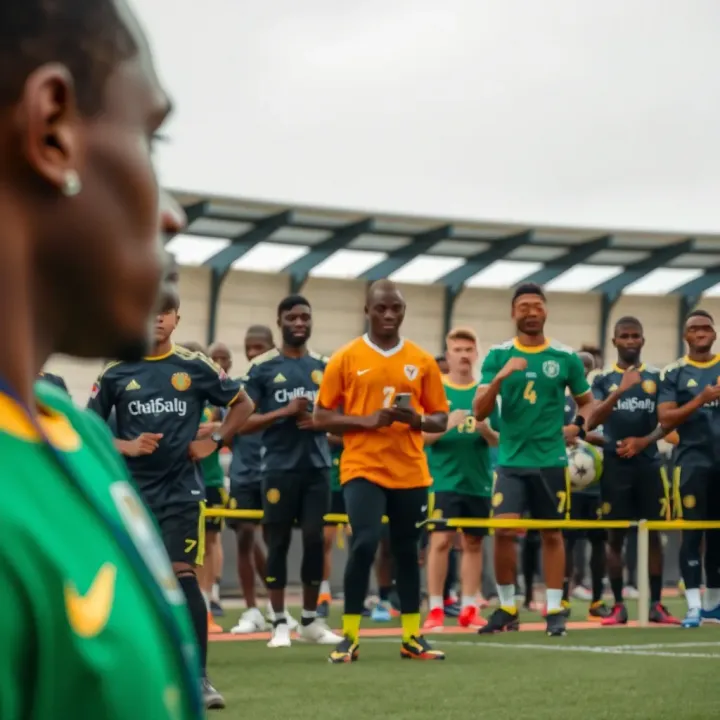
Understanding MSport Registration in Nigeria
⚽ Discover how to complete MSport registration in Nigeria, its legal needs, benefits for athletes, coaches & organisations, plus tips to tackle common hurdles.
Edited By
Isabelle Turner
In Nigerian motorsport, understanding crash rules is not just about knowing what happens when cars collide; it’s about ensuring safety, fairness, and swift response when accidents happen on the track. Msport events attract passionate drivers, officials, and fans, making clear crash protocols essential to protect lives while maintaining the thrill.
Crash rules in Msport cover several critical areas: driver responsibilities during and after a crash, officials’ roles in managing incidents, and the safety measures that organisers must enforce. For example, if a driver skids off the track or collides with another vehicle, they’re required to remain inside their car if it’s safe, signalling for help rather than rushing out, lest they expose themselves or others to further danger.
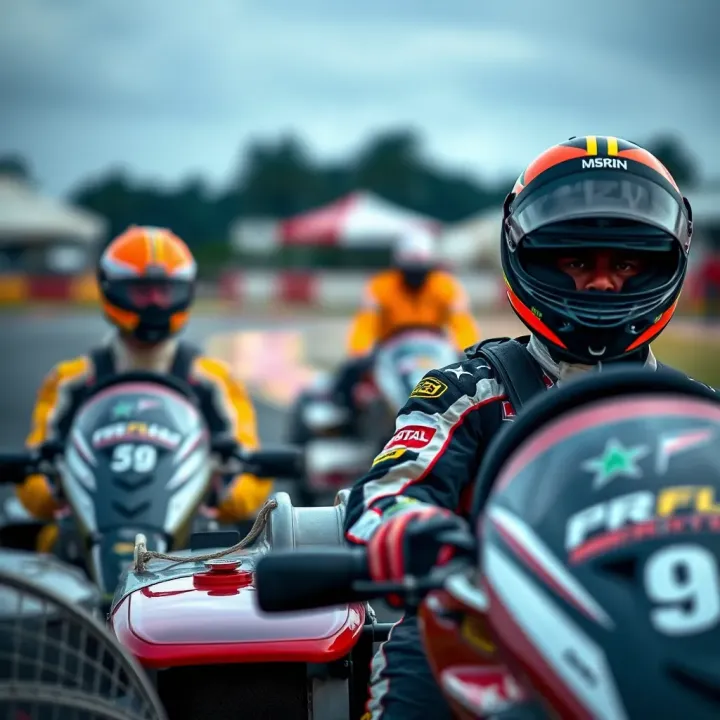
Officials have a duty to act fast – they’ll use flags to alert other drivers and call in medical teams. On Nigerian tracks, the presence of well-trained marshals and quick emergency response units often determines how well crashes are handled, especially in popular circuits like the Lagos Motor Park and IBB International Circuit in Minna.
Safety equipment rules also play a vital role: drivers must wear FIA-approved helmets and fire-resistant suits, while cars need proper roll cages and fuel cut-off systems. These precautions have saved lives, mostly during ember months when racing activity rises and risks increase.
Understanding crash rules helps analysts and sports bettors predict race outcomes more confidently. A race disrupted by a crash means delays, penalties, or even race stoppages.
For organisers, following the Nigeria Automobile Federation’s (NAF) guidelines is non-negotiable. This includes clear protocols for accident reporting, post-crash vehicle inspections, and driver fitness checks before a race resumes. Failure to comply invites sanctions and jeopardises the sport’s integrity.
By getting familiar with these crash rules, Nigerian motorsport enthusiasts, journalists, and regulators can appreciate the meticulous efforts behind every race. It’s not just about speed, but about managing risk effectively in a sport where every second, every reaction, counts.
Understanding Msport crash rules is essential for anyone involved in Nigerian motorsports, from drivers and organisers to analysts and regulators. These rules offer a clear framework that ensures races proceed safely and fairly, even when accidents occur. For instance, during a recent race at the Lagos International Circuit, adherence to crash protocols helped avoid chaos after a multi-car collision, allowing officials to manage the situation swiftly.
Ensuring driver and spectator safety is the foremost aim of Msport crash rules. Races can be high-risk, with speeds often exceeding 200 km/h, so protecting everyone around the track is vital. Safety measures include clear guidelines on how drivers should react during an accident and how marshals manage crash sites to prevent further harm. Without these rules, accidents could quickly escalate into more dangerous situations.
Maintaining fair competition is another key factor. When crashes or incidents disrupt a race, officials must apply consistent procedures to reposition drivers, decide penalties, or suspend events. This prevents unfair advantages or disputes. For example, if a crash blocks part of the track, race suspension rules specify under what conditions the race restarts, ensuring all competitors have equal footing.
Defining responsibilities during crashes helps assign clear roles to drivers, marshals, and race officials. Drivers must communicate after incidents and move to safe locations if possible. Marshals handle on-the-spot assessments and coordinate emergency responses. Officials oversee decisions like issuing penalties or managing race suspension. This clarity reduces confusion during tense moments, improving overall race management.
In Msport, a crash refers specifically to any event where a vehicle loses control, resulting in impact or stoppage, whether against barriers, other vehicles, or the track itself. Understanding this helps stakeholders identify when crash procedures activate, such as deploying safety flags or medical teams.
It’s important to distinguish between collision, spin-offs, and technical failures. A collision involves direct contact between vehicles, often requiring fault assessment. Spin-offs are incidents where a driver loses control and leaves the track without hitting another car, usually triggering different procedural responses. Technical failures cover breakdowns like engine or brake faults causing sudden stops. Recognising these differences aids officials in applying correct rules and penalties. For example, penalties rarely apply to technical failures unless they endanger others.
Clear definitions and consistent enforcement of Msport crash rules uphold safety and fairness. They help the Nigerian motorsport ecosystem avoid confusion and keep races competitive.
By grasping these fundamental aspects, enthusiasts and regulators can better appreciate how crashes are managed on Nigerian circuits, ultimately contributing to safer and more exciting races.
In Nigerian motorsport events, following clear procedures during crashes is essential. These steps ensure swift resolution, minimise risk to drivers and spectators, and maintain fairness in competition. When an incident happens, everyone involved—from drivers to marshals—knows their role, making the response efficient and organised.
When a crash occurs, a driver must signal for help immediately if injured or unable to drive. This is typically done by raising a hand or flashing hazard lights. Such signals alert marshals and safety personnel to prioritise that car. For example, at a grassroots rally in Nigeria's Ogun State, a driver who collided with barriers quickly signalled, allowing marshals to respond without delay.
If the driver and vehicle are able, they should move off the track to the nearest safety zone. This clears the racing line and reduces risk for others. Nigerian circuits like the Lagos Motor Park have specific escape areas designed for such cases. Drivers trained in local events are taught to steer clear of busy spots to avoid secondary collisions.
Effective communication with marshals is crucial. Drivers must follow hand signals or instructions from officials promptly. At the Kano Rally, quick communication allowed marshals to guide the driver safely out of a tricky spot. Radios or gestures are practical tools here, especially when voices are drowned by engine noise.
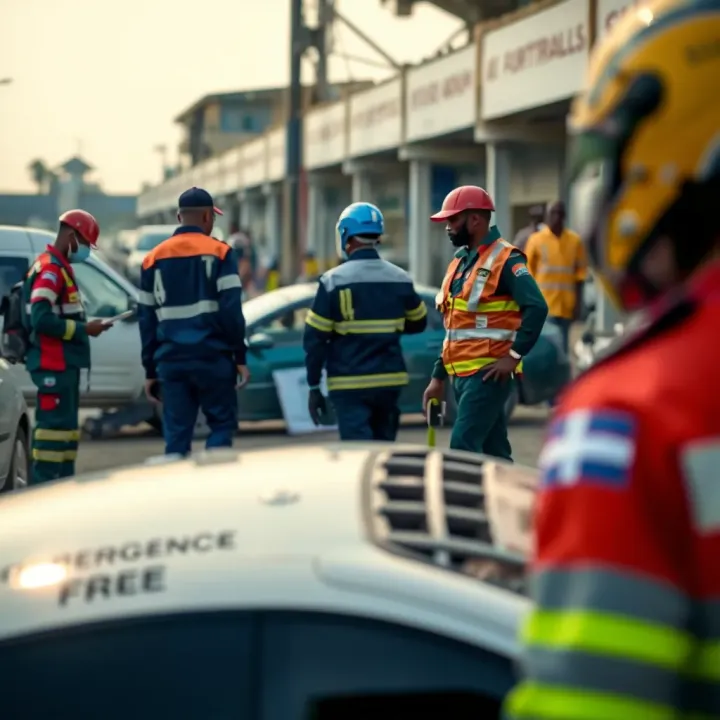
Marshals play a key role in spotting crashes quickly. They use coloured flags to signal different warnings: yellow for caution, red for race stoppage. In Nigerian events, timing of these flags can prevent pile-ups. For example, during a Nasarawa race, early yellow flags slowed drivers, preventing further harm.
Officials are trained to offer initial medical support before the arrival of paramedics. Immediate first aid can make a difference, especially in remote tracks where ambulance access is slower. At the Port Harcourt Street Race, marshals administered basic first aid that stabilised a driver after a spin-off.
Beyond alerting drivers, marshals manage the flow of racers around the crash. They signal detours or reduced speed zones. Without this control, a minor crash can escalate dangerously. This role is critical in congested race environments such as the Ibadan Grand Prix.
Safety vehicles like ambulances and recovery trucks are dispatched based on predefined protocols. They respond immediately to flagged incidents, balancing quick access with overall race safety. Nigerian organisers usually have teams stationed nearby to cover common accident hotspots.
Upon arrival, medical officers assess the driver's condition before deciding next steps. This includes checking consciousness, bleeding, and mobility. Such assessments help decide if hospital transfer is needed. In a Lagos drag race incident, a quick onsite assessment averted unnecessary hospitalisation.
If injuries demand further care, drivers are transported to local hospitals equipped for emergency trauma. Nigerian tracks coordinate with nearby health facilities for fast transfer. For instance, after an accident at the Jos racecourse, the injured driver was swiftly taken to the Plateau State Specialist Hospital, ensuring appropriate treatment.
Prompt and coordinated procedures during crashes save lives and protect the integrity of Nigerian motorsport.
By understanding these steps, sports bettors, analysts, and regulators can appreciate the safety net behind every race and reinforce trust in the sport’s conduct.
In Msport events, the procedures surrounding race suspension and restart after crashes ensure the safety of everyone on track and maintain the fairness of the competition. Nigerian motorsport enthusiasts and regulators must understand these rules to appreciate how incidents are managed and races are held to a proper conclusion.
Severity of crash and track obstruction: Races are suspended with a red flag when a crash causes significant danger or blocks the track. For example, if a vehicle spins off and halts in a position that makes it impossible for other drivers to pass safely, officials must stop the race promptly. This prevents secondary accidents and allows emergency teams to address the crash without risk to others. In Nigerian competitions, where track space can be tight and safety infrastructure limited, quick suspension decisions are vital to prevent accidents from escalating.
Safety considerations for all participants: Beyond track obstruction, race suspension considers the wellbeing of drivers, marshals, and spectators. If there are injuries requiring urgent medical attention or spillage (oil, fuel) on the circuit that risks slipping, a red flag will be shown. This ensures medical teams can operate efficiently, and the track can be cleaned before racing resumes. For instance, during a Lagos state rally event, a sudden crash that blocked part of the track and left debris prompted an immediate red flag, avoiding potential harm to following drivers.
Reordering of race positions: When the race restarts, driver positions typically reset based on the order at the last official timing point before the red flag. This prevents unfair advantages and keeps the competition honest. Drivers causing crashes may lose positions or face penalties depending on fault. In Nigerian local races, timekeeping often relies on manual systems, so officials use video footage and marshal reports to verify accurate standings before restart.
Communication to drivers: Clear signalling and communication are vital before restarting a race. Flags and radio messages inform drivers about the restart procedures, enabling them to prepare mentally and physically. In some Nigerian events, loudspeakers near the paddock announce red flag durations and restart times to keep drivers informed, especially when radio coverage is limited.
Restart procedures on various track types: The method of restarting depends on the circuit layout. On permanent tracks like the National Stadium Race Circuit in Lagos, restarts often happen from a grid formation, recreating the race start. For rally or street circuits, a rolling restart behind a safety car is common, allowing gradual speed increase and better control. Adjusting these protocols to the specific Nigerian track environment improves safety and fairness.
Red flags and proper restart procedures are more than formalities; they are lifelines protecting drivers and ensuring Nigerian motorsport can thrive with integrity and safety.
Understanding these rules helps sports bettors, analysts, and regulators foresee how crashes impact races and maintain high standards across events.
Penalties and disciplinary actions are vital to maintain order and safety in Msport events. They discourage reckless behaviour and ensure that drivers adhere strictly to the rules. For sports bettors, analysts, and regulators, understanding these measures helps anticipate race outcomes and drivers’ standings, while journalists can provide accurate coverage of incidents and consequences.
Determining fault in Msport crashes involves careful analysis by race officials using video footage, telemetry data, and eyewitness accounts. The evaluation focuses on which driver’s actions directly contributed to the crash. This process is key, especially in tight races where a split-second mistake can lead to accidents. For example, if a driver forces another off the racing line unfairly, causing contact, fault will likely be assigned to the aggressor.
This responsibility assessment influences subsequent penalties and helps maintain fairness. It also protects innocent drivers from unjust punishment, which is essential for the sport’s integrity.
Common causes of avoidable crashes include misjudging braking points, overly aggressive overtaking, and ignoring flag signals. In Nigerian tracks where weather and track conditions can worsen unexpectedly, drivers who fail to adjust speeds accordingly cause embarrassingly preventable collisions. A driver unaware of a yellow flag indicating caution may endanger others and invite sanctions.
Recognising these causes informs driver training programmes and helps organisers implement better safety protocols.
Time penalties and fines serve as the most immediate sanctions. Officials may add seconds to a driver’s race time or impose monetary fines depending on the severity. For instance, adding 10 seconds for causing a collision can drop a driver several positions in the final classification, affecting points and earnings significantly.
These penalties encourage drivers to race cleanly without compromising competitiveness. Fines also deter repeat offenders, helping to maintain discipline.
Disqualification from events is a stern reaction reserved for serious breaches such as deliberate collisions or dangerous driving that endangers others. A disqualified driver loses the opportunity to score points and prize money, damaging their reputation and sponsorship prospects.
This measure underscores the zero-tolerance stance on unsafe behaviour, reinforcing respect for rules among all participants.
Suspensions and licence reviews typically arise when a driver demonstrates persistent disregard for safety norms. The governing body may suspend a driver for a number of races or require retraining before licence reinstatement. In some Nigerian series, this process helps maintain a high standard of driving and prevents dangerous drivers from racing until proven competent again.
Penalties not only punish but serve as critical incentives for safer conduct, benefiting everyone involved in Msport events—from drivers and teams to officials and fans.
Understanding these rules helps the entire Msport community navigate incidents better and ensures a fair, thrilling racing environment in Nigeria.
Safety remains the backbone of motorsport racing, especially in Nigeria where growing fan interest demands stringent measures to protect drivers and spectators alike. By focusing on preventing crashes before they happen, organisers reduce the costly interruptions and dangers that follow accidents. This proactive stance safeguards lives and helps maintain fair competition, reducing disputes over blame and penalties.
Mandatory protective gear ensures drivers are shielded against the risks that come with high-speed racing. Helmets certified by recognised bodies like the FIA, fire-resistant racing suits, gloves, and neck supports are non-negotiable. For example, without adequate gear, a driver could suffer severe burns or head injuries during a crash, raising emergency response burdens and insurance costs.
Technical specifications for vehicles enforce uniform safety across competing cars. This covers roll cages, fuel tank safety, braking systems, and tyre standards. In Nigerian Msport events, cars must pass thorough inspections before races, ensuring they meet criteria like crashworthiness and engine reliability. This not only protects drivers but also curbs mechanical failures that could trigger accidents on track.
Pre-race briefings serve to update drivers on track conditions, rules changes, and specific dangers around the circuit. These meetings promote mental readiness and clear communication between drivers and officials. For instance, if a section of the track is slippery due to overnight rain in Lagos, drivers will be warned to adjust their driving accordingly, reducing the chance of losing control.
Best practices to reduce accident risks include defensive driving techniques, awareness of blind spots, and respecting safe overtaking rules. Nigerian drivers often face challenging track environments and weather, so mastering these practices is crucial. Experienced racers stress patience and caution, especially in ember months when track rubber buildup affects grip.
Safe track layouts balance challenging features with safety zones. Curves should have adequate runoff areas free of obstacles, and barriers must absorb impact to minimise injury. Nigerian tracks like the Lagos International Circuit have invested in proper kerbing and gravel traps to lower accident severity.
Regular maintenance and inspection keep the circuit race-ready and safe. Track surfaces need frequent checks to fix potholes, clear debris, and repaint critical markings. Marshals also inspect barrier integrity before events. Neglect here invites crashes from poor traction or driver confusion, increasing safety risks considerably.
Continuous attention to safety equipment, driver preparedness, and track conditions forms the trinity that reduces crashes and builds trust in Nigerian Msport events.
By integrating these safety and prevention measures, Nigerian motorsport can evolve its reputation for thrilling yet secure racing, drawing in more enthusiasts, sponsors, and professional participation.
⚽ Discover how to complete MSport registration in Nigeria, its legal needs, benefits for athletes, coaches & organisations, plus tips to tackle common hurdles.
Discover how to register, bet, and cash out on Msport Bet in Nigeria ⚽️ Explore safe betting tips, payment options, and customer support for a secure 🔒 experience.
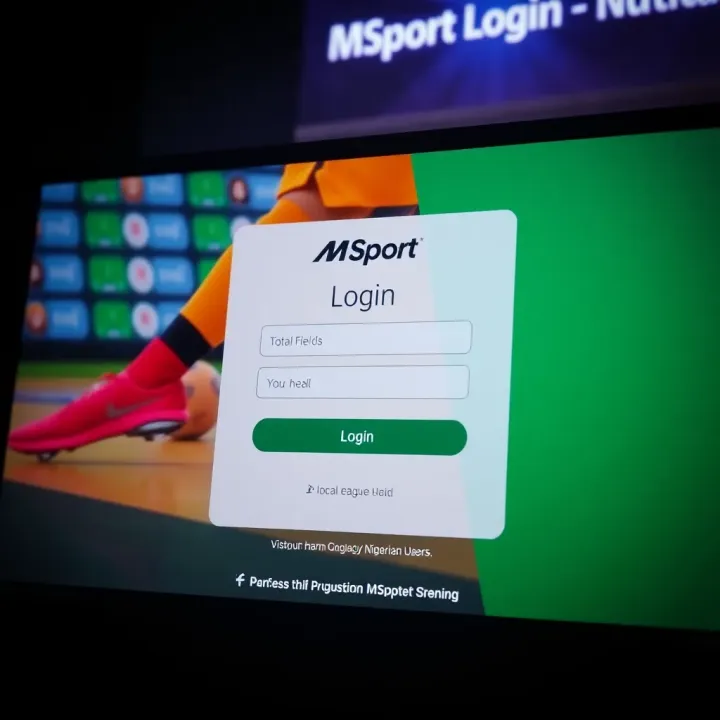
🚀 Quickly access your MSport account with this Nigerian guide! Find step-by-step login help, recovery tips, security advice, and mobile features for smooth use.

🎉 Explore Msport Bingo, the go-to online game for Nigerian players. Learn how to register, deposit ₦, pick games, and play smart in Nigeria’s growing online scene.
Based on 9 reviews