
When Does MSPORT Make Payments? A Simple Guide
📅 Understand when MSPORT pays sports earnings in Nigeria. Know the schedule, check your status, and handle delays for smooth financial planning with local insight. ₦
Edited By
Richard Mensah
The Old Mobile Msport Shop stands as a notable landmark in Nigeria’s early mobile phone retail history. Situated in Lagos, it was among the first outlets catering to the growing demand for mobile phones and accessories before the flashy malls and e-commerce surged.
Back in the day, before smartphones and widespread internet access, buying a mobile phone often meant visiting physical shops like Mobile Msport where you could see the devices firsthand, negotiate prices, and get advice. It wasn’t just about sales; the shop provided essential services such as SIM card registration, phone repairs, and selling prepaid airtime.
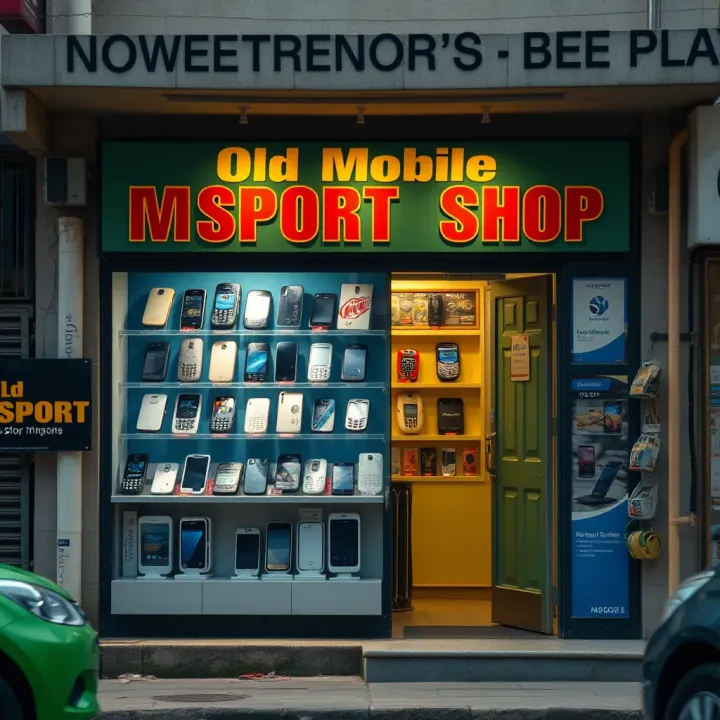
The shop’s location in busy commercial hubs ensured it attracted diverse customers—from small business owners needing communication tools to youths seeking the latest airtime top-up. Throughout the late 1990s and early 2000s, Mobile Msport served as a critical point of entry into mobile technology for many Nigerians.
However, the mobile phone retail market in Nigeria evolved rapidly. Bigger telecom companies established their own outlets, online platforms like Jumia Nigeria and Konga brought convenience, and mobile money services reduced dependency on physical cards. Consequently, traditional shops like Mobile Msport started facing stiff competition.
The shift from physical storefronts to online and integrated telecom services illustrates the wider tech disruption in Nigeria’s mobile ecosystem.
Despite these changes, the legacy of the Old Mobile Msport Shop remains worthy of study. It highlights how retailers adapted—or struggled—to keep pace with Nigeria’s fast-moving mobile market. This exploration sheds light on the challenges of infrastructure limits, consumer trust, and price volatility that shaped the survival of such shops.
In essence, examining Mobile Msport’s story reveals more than just a shop’s rise and fall. It offers a window into Nigeria’s mobile communication journey, reflecting broader shifts in technology adoption, urban commerce, and consumer behaviour across Nigerian cities. As modern innovations continue to reshape markets, understanding the roots helps contextualise present trends and future directions.
Understanding the background and history of the Old Mobile Msport Shop provides key insight into its role in Nigeria's mobile phone retail scene. This section unpacks the shop’s beginnings, strategic location choices, and how it built a strong foothold in a competitive market. These details reveal practical lessons for anyone interested in retail evolution and consumer behaviour within Nigeria’s dynamic tech landscape.
The Old Mobile Msport Shop began operations in the early 2000s, a time when mobile phones were just starting to become accessible to the growing middle class in Nigeria. Initially, it operated on a simple business model focused on selling affordable basic mobile phones and second-hand units, mainly targeting customers who could not afford expensive brand-new models. This approach met a significant market gap, providing communication means to urban dwellers who otherwise had limited options.
Set in a bustling area of Lagos Island, the shop’s location was chosen strategically to attract office workers, students, and small-business owners. The neighbourhood’s high foot traffic, especially from danfo buses and keke riders ferrying passengers, contributed to constant customer flow. This made it convenient for customers to access mobile devices and phone accessories amid their daily routines.
As mobile technology advanced, the shop expanded its product lines beyond just basic phones. By mid-2000s, it incorporated smartphones from popular brands such as Nokia, Samsung, and later Tecno and Infinix. It also added accessories like chargers and memory cards, meeting growing consumer demand. This diversification helped the shop stay relevant, particularly as Nigerians began shifting towards smartphones for social media and business use.
Building trust in local markets was central to the shop’s sustained growth. It gained a reputation for reliable after-sales support, including repairs for cracked screens and battery replacements. Many customers preferred the shop over larger retail chains because of personalised service and quicker repairs. This reputation made it a go-to point for a middle-class clientele navigating Nigeria’s often pricey and inconsistent mobile market.
The Old Mobile Msport Shop’s history exemplifies how understanding local context and evolving consumer needs can shape a successful retail venture in Nigeria’s tech space.
By tracing its origins and growth, this section helps readers appreciate the practical strategies behind the shop’s impact and legacy in a sector that has since transformed rapidly.
The Old Mobile Msport Shop gained its relevance by providing a mix of products and services tailored to Nigeria's vibrant and evolving mobile market. It wasn’t just a place for buying gadgets; it catered to the practical needs of daily users by offering both new and used mobile devices alongside vital accessories. Moreover, its service centre addressed common repair needs, which made it indispensable to many residents and small business owners who relied on mobile phones for communication and commerce.
The shop stocked a mix of popular mobile phone brands known for durability and affordability in Nigeria’s market. Brands like Tecno, Infinix, and Itel were common because of their balance between price and features, making them accessible to middle-income earners and young people. Samsung and Huawei models also appeared occasionally for customers looking for more advanced features, especially when imported from official distributors or via tokunbo channels. This variety allowed the shop to serve a wide customer base, from first-time phone buyers to more tech-savvy users.
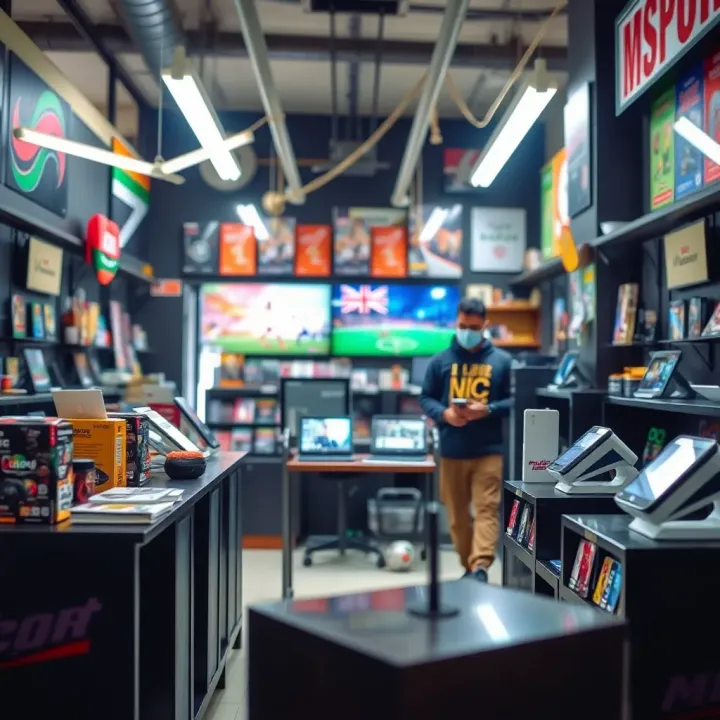
Accessories were key to the shop’s appeal. Chargers compatible with popular phone models, memory cards for expanding storage, and earphones were in consistent demand. These add-ons mattered a lot for Nigerian users because power outages and limited internal storage are common issues. The shop also stocked replacement batteries, which helped extend the lifespan of devices. Selling quality accessories ensured customers could maintain their phones without travelling far, which was especially important in areas with unreliable power and limited specialised shops.
Repairs covered the usual range of mobile issues: screen replacements, battery swaps, charging port fixes, and software troubleshooting. The shop’s technicians were familiar with both feature phones and smartphones, which was useful given Nigeria's market diversity. They often fixed cracked screens caused by falls during the busy daily commutes on okadas or public transport. Software issues like virus removal and operating system updates were also handled, saving customers the cost of buying new phones unnecessarily.
The shop emphasised after-sales service, offering advice on phone use, warranty claims, and follow-up repairs. Customers valued this personalised support since many struggled with navigating warranty processes from big brands. The staff built trust by providing hands-on help, which was crucial as many buyers lacked prior knowledge of smartphones. Having repair services attached to the shop gave assurance of ongoing care, making customers loyal beyond single transactions.
Offering both products and repairs in one location made the Old Mobile Msport Shop a dependable option for Nigerians relying heavily on mobile phones for work and social connections, all within an accessible price range and location.
The Old Mobile Msport Shop played a vital role in supplying mobile phones to Nigeria’s growing middle class, especially in urban and semi-urban settings. Most customers had limited budgets but still needed functional phones for communication and small business activities. By stocking affordable and often tokunbo (imported second-hand) smartphone models alongside new sets, the shop filled this demand gap. For example, a typical Lagos resident earning below ₦100,000 monthly could purchase a quality used smartphone priced around ₦25,000 to ₦40,000, which would have been out of reach at larger retail outlets focusing on brand-new, premium models.
While the shop once stood strong as a go-to mobile phone retailer, it increasingly faced stiff competition from retail chains like Slot and large online platforms such as Jumia and Konga. These competitors offered wider product ranges and sometimes attractive deals with official brand warranties. However, the Old Mobile Msport Shop retained its edge through close customer relationships and local after-sales support—the convenience of walking into a nearby store to quickly fix faults outweighed longer online delivery times and complicated return policies. Still, keeping up with modern retail trends and pricing remains a constant challenge.
The shop contributed significantly to popularising mobile phone use among Nigerians by offering low-cost options tailored to diverse pockets. Affordable feature phones and budget smartphones helped bridge the digital divide, enabling many users to access basic internet functions and stay connected. This affordability factor encouraged mobile penetration beyond affluent city dwellers, particularly in states like Oyo and Ogun where urban sprawl includes many semi-urban communities. The shop's stock choices often reflected popular models capable of running apps like WhatsApp and Facebook Lite—essential for communication in daily life and business.
Many first-time buyers found their feet at the Old Mobile Msport Shop, where staff guided them through the maze of phone specifications and network options. This hands-on approach eased anxieties around investing in a relatively costly device. The shop also offered flexible payment plans or trade-in deals occasionally, which made purchasing easier for cash-strapped youth and new entrepreneurs. For individuals who had never owned mobile phones, the shop provided practical advice, clarifying features to avoid overpaying and recommending devices suited to their primary needs, whether for calls, business, or simple internet browsing.
Old Mobile Msport Shop's impact lies not just in selling devices but in making mobile technology accessible and understandable to Nigerians across different income levels and urban realities.
Traditional mobile shops like the Old Mobile Msport Shop have faced significant challenges, impacting their survival and operations within Nigeria's evolving retail landscape. These challenges reveal the pressures on conventional businesses adapting amid rapid technological changes and economic fluctuations. Understanding these difficulties offers practical lessons for retailers and policymakers aiming to sustain local commerce.
The rise of smartphones fundamentally altered consumer demand. While earlier mobile shops mainly focused on feature phones and simple accessories, the smartphone market requires stocking more sophisticated and often pricier devices. Consumers, especially in urban areas, grew to expect the latest models with internet capability and advanced features. This shift made it harder for traditional shops, which typically relied on selling affordable, basic phones.
Coupled with that was the rise of online sales platforms. Websites and apps like Jumia Nigeria and Konga started offering a wider product range with competitive prices and home delivery services. This shift pulled customers away from physical shops, especially in cities where internet access and pay-on-delivery options became widespread. For many smaller retailers, keeping up with this digital transformation proved difficult.
Traditional shops also struggled to update their stock and skills. As technology advanced, staff needed training to handle more complex repairs, software updates, and device troubleshooting. Shops that couldn’t invest in staff development or new diagnostic tools fell behind, failing to meet customer expectations.
Furthermore, maintaining a diverse, up-to-date inventory became expensive. With fast product cycles in smartphones and accessories, carrying obsolete or unpopular items tied up capital and reduced profitability. Only shops with enough capital and supplier connections could refresh stock regularly.
Urban centres like Lagos and Abuja have seen soaring rents, squeezing profit margins for small traders. The Old Mobile Msport Shop and others operating in popular commercial districts often faced rent hikes that outpaced sales growth. These higher fixed costs forced many to downsize or relocate to less expensive areas, reducing foot traffic and market visibility.
Operational costs, including reliable electricity — which often requires running costly generators due to power outages — further eat into earnings. Shops cannot avoid these expenses, especially in ember months when demand rises but so do utility bills.
On top of that, naira volatility heavily affects import prices for devices and accessories. Since most products come from China or other Asian countries, exchange rate swings can increase wholesale costs sharply. For example, between 2022 and 2023, fluctuations pushed prices up by more than 20%, forcing shops to raise retail prices or accept lower margins. Customers, particularly middle-income buyers, often delay purchases or seek cheaper alternatives during such periods.
Navigating technological advances and economic pressures demands agility from traditional mobile retailers. Those who adapt can survive, but many face tough decisions amid Nigeria’s complex market reality.
Understanding these challenges paints a clear picture of the environment confronting local mobile shops. It also highlights the need for targeted support and innovation to keep this sector vibrant and inclusive.
The Old Mobile Msport Shop has seen significant operational changes in recent years, primarily due to shifts in consumer behaviour and the rise of e-commerce platforms. Where once it served as a bustling point for mobile phone sales and repairs, today, its physical footfall has dwindled sharply as customers move toward online marketplaces like Jumia Nigeria and Konga for their tech needs. In some locations, the shop has closed entirely, reflecting broader challenges traditional retailers face amid digital disruption.
However, in places where it remains open, the shop has pared down operations to focus more on specialised repairs and stock of niche, often imported, accessories not readily available online. This adaptation has allowed it to maintain relevance among loyal customers who prefer face-to-face transactions for technical services or high-value purchases requiring trust and immediate support.
To stay afloat, the shop’s management experimented with hybrid sales models combining physical retail with online presence. Some ventured into using WhatsApp and other social media platforms to showcase products and negotiate sales, creating informal channels that bridge the gap between traditional shops and online convenience. This small-scale digital shift has, in places, boosted sales and expanded reach beyond immediate neighbourhoods.
Another emerging practice is partnering with local delivery services for contactless sales, responding especially to demands from younger, tech-savvy buyers. While not a full transition to e-commerce, these tweaks reflect an understanding that survival depends on embracing at least some aspects of digital retail, tailored for the local context where cash transactions and trust remain key.
The Old Mobile Msport Shop offers valuable lessons for small-scale retailers across Nigeria. Firstly, it highlights the importance of agility: shops that adjust to evolving technology and customer habits can still carve out a niche. For instance, focusing on reliable repairs or exclusive accessory lines can differentiate smaller retailers from big-box stores and online giants.
Additionally, the shop illustrates how embracing local consumer behaviour matters. In many Nigerian neighbourhoods, buyers still value personal relationships with sellers. Small-scale retailers who cultivate trust and offer personalised support can build long-lasting customer bases that digital platforms struggle to replicate entirely.
The shop helped shape early consumer expectations around mobile phone retail, especially for middle-class Nigerians in urban centres. It raised standards for product variety, competitive pricing, and after-sales service, which customers now expect widely. The notion that mobile technology should be affordable and accessible can be traced to retailers like this, who made phones available beyond affluent circles.
This legacy continues as consumers demand better warranty support, repair services, and genuine accessories. By setting these benchmarks, the Old Mobile Msport Shop indirectly nudged larger retailers and platforms to raise their game, ultimately benefiting Nigerian consumers seeking quality and value.
The evolution of such shops underscores the complex dance between tradition and modernity in Nigeria’s mobile retail scene, showing that legacy retailers still hold lessons even as the market rapidly modernises.
📅 Understand when MSPORT pays sports earnings in Nigeria. Know the schedule, check your status, and handle delays for smooth financial planning with local insight. ₦

Facing login trouble on MSport? 🔐 Discover easy fixes, secure your account, and get support quickly for smooth use across Nigeria’s digital space. 🇳🇬
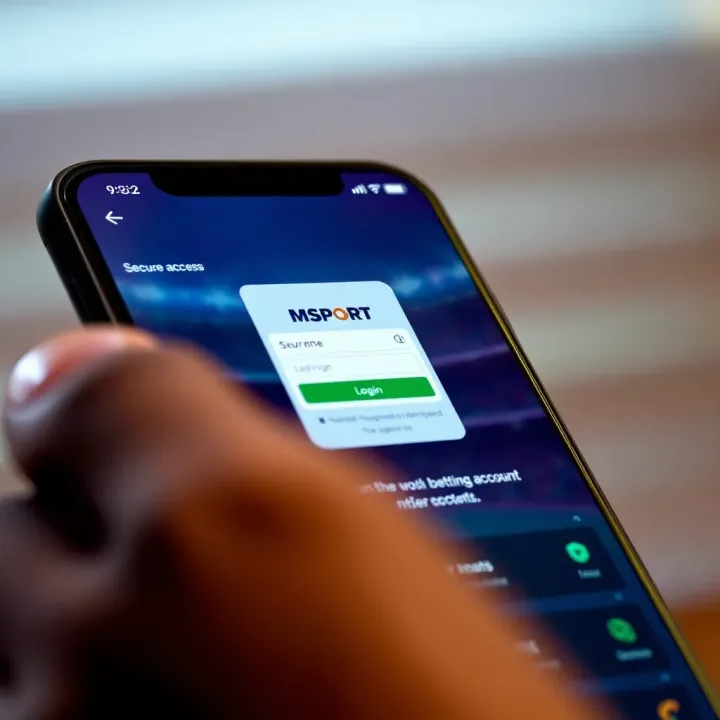
🔒 Msport account blocked? Learn quick ways to unlock access, contact customer support, and protect your details. Stay gaming and betting hassle-free in Nigeria 🇳🇬

⚽ Explore Msport Juventus to see how Juventus FC blends top football wins with smart digital moves. Stay updated and connect with your favourite team through Msport channels in Nigeria 🇳🇬📱.
Based on 14 reviews