
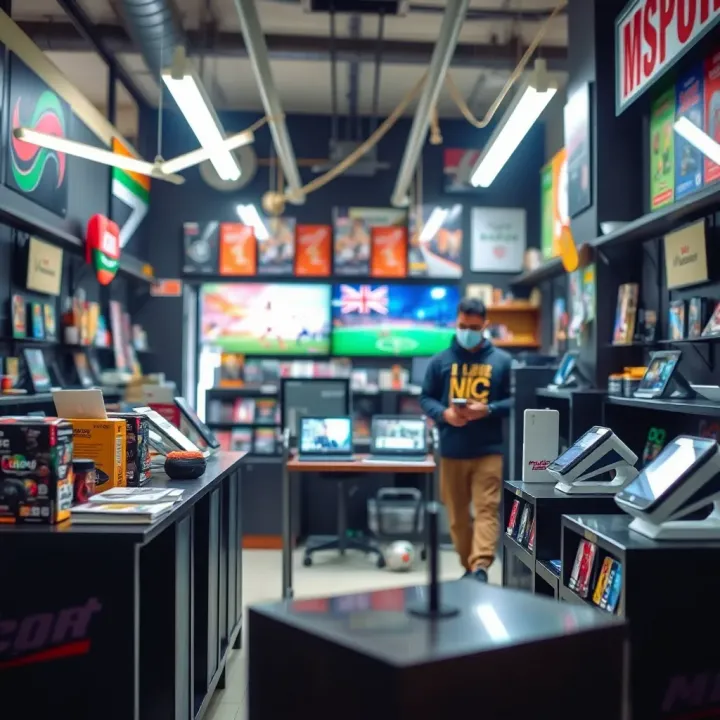
Old Mobile Msport Shop: Nigeria's Mobile Retail History
📱 Discover the Old Mobile Msport Shop's journey in Nigeria's mobile retail, its impact on cities, and how modern tech and market shifts reshaped its legacy.
Edited By
Sophie Ellsworth
Gambling in Nigeria operates within a legal framework that combines both federal and state laws. While the National Lottery Act (2005) provides a broad outline for betting and gaming activities, states also have the power to regulate certain gambling forms within their boundaries. This means the legal landscape can vary depending on your location.
The main types of gambling legally permitted in Nigeria include lotteries, sports betting, and casino gaming. Sports betting has seen remarkable growth recently, fueled by local and international firms such as Bet9ja, NairaBet, and Betking. These brands have transformed Lagos and Abuja streets, alongside online platforms, into hubs for betting activities.
Licensing is a key part of the regulatory system. Operators must obtain licences from the National Lottery Regulatory Commission (NLRC) or relevant state authorities before running gaming operations. This ensures compliance with financial and consumer protection standards. Unauthorized or unlicensed gambling businesses face stiff penalties, including fines and possible arrests by enforcement agencies.
Online gambling is expanding rapidly in Nigeria. This comes with unique challenges, such as consumer protection, fraud, and problem gambling risks. The government is still catching up with regulation in this area, but initiatives are underway to monitor and control the surge in digital betting platforms. Popular mobile apps and USSD-based betting have made access easier, especially in urban centres.
Though gambling can be profitable and entertaining, it carries social risks like addiction and financial loss. Responsible gambling measures are slowly gaining attention, but more awareness is needed.
For bettors and analysts, understanding the hybrid nature of Nigeria’s gambling laws is essential. Keep in mind:
The legality of specific gambling activities may differ by state.
Licensed operators adhere to regulations that safeguard player interests.
Online gambling requires caution due to varying standards and potential scams.
In summary, gambling in Nigeria is legal but regulated with conditions. Staying informed about licensing and local laws helps you navigate this sector safely, whether you're a bettor, operator, or policymaker.
Understanding the legal framework governing gambling in Nigeria is essential for operators, bettors, and regulators alike. Nigeria's gambling laws set clear boundaries on what is permitted, ensuring both consumer protection and industry integrity. This framework consists of federal laws complemented by state regulations, creating a system that requires careful navigation by anyone involved.
The National Lottery Act governs lottery activities across Nigeria. It authorises the federal government to license and regulate lottery operators, ensuring that games are fair and winnings are properly awarded. Practically, this means that any operator offering lotteries, including raffles and some sweepstakes, must obtain federal approval. For example, popular national lotteries run by licensed operators comply with this act to maintain trust and avoid legal issues.
Similarly, the Gaming Act and other related federal statutes provide the legal backing for betting and gaming activities beyond lotteries. This law covers sports betting, raffle promotions, and casino gaming that crosses state lines or involves federal jurisdiction. Operators must comply with these laws, which establish guidelines on licensing, taxation, and advertising. These statutes also enable enforcement agencies to take action against fraudulent or illegal gambling.
Lagos State exemplifies the proactive role of states in regulating gambling within their borders. It sets additional licensing requirements for operators, especially for physical betting shops and casinos, ensuring local businesses meet specific standards. This approach allows Lagos, a major commercial hub, to tailor regulations to its unique market dynamics and protect local consumers.
However, licensing and enforcement can differ significantly from state to state. While Lagos enforces strict controls, other states may have less clear or less enforced rules. Such disparities lead to uneven regulation across Nigeria, impacting where operators choose to establish their businesses. For instance, some states might require different procedures or fees to obtain licences, and enforcement agencies might vary in effectiveness. Understanding these differences is vital for anyone seeking to operate legally and responsibly.
Clear knowledge of both federal and state laws helps all participants in Nigeria's gambling sector avoid penalties and contribute to a safer betting environment.
In summary, Nigeria's legal framework consists of federal acts like the National Lottery Act and Gaming Act, alongside diverse state regulations. Together, these laws shape how gambling operates, ensuring a balance between opportunity and oversight.
Understanding the types of legal gambling activities in Nigeria is key for both participants and regulators. These activities shape the gambling landscape and show where money flows, risks lie, and how regulation operates. It’s also where most Nigerian gamblers interact with the law directly, whether through betting shops or online platforms.
Licensed sportsbook operators hold the legal right to offer sports betting services in Nigeria. These operators secure licences mainly from the National Lottery Regulatory Commission, which ensures they meet regulatory standards on fair play, transparency, and capital adequacy.
For instance, local brands like Bet9ja, NairaBet, and SportyBet are officially recognised and widely trusted across states. Their licensing reassures players that payouts occur as expected and that disputes can be addressed through official channels. Betting shops linked to these companies dot streets in Lagos and Kano, reflecting strong urban market demand.
Football remains the dominant sport for betting, reflecting Nigeria’s passion for the game. Popular markets include match outcomes, over/under goals, and first goalscorer bets. But other sports like basketball, tennis, and even local boxing events are gaining traction.
This diversity helps bettors find markets suited to their expertise and preferences. A bettor can stake on Nigeria Professional Football League matches alongside international leagues such as the English Premier League, providing both local relevance and global opportunities.

The National Lottery Act governs lottery operations, requiring licences for raffles, sweepstakes, and lotto games. The government’s lottery arm and some private operators run lotteries under strict supervision to avoid fraud and misuse of proceeds.
Popular lottery games like Premier Lotto (commonly “Gbetu”) operate nationwide with millions of players daily. These licences ensure that operators contribute part of revenues to social causes, enhancing public trust.
Compliance involves adherence to reporting standards, transparent drawing processes, and responsibilities toward consumer protection. Players participate through authorised agents and official points of sale, reducing the chances of scams.
For example, random draw announcements and public scrutiny have become norms, making consumer participation safer. Players are encouraged to validate tickets only at licensed centres or official apps, safeguarding winnings against fake claims.
Casinos in Nigeria must obtain comprehensive licences that cover premises safety, fair gaming procedures, and anti-money laundering measures. The application process is rigorous, requiring proof of financial stability and background checks.
Only a handful of states, including Lagos and the Federal Capital Territory, permit casinos, reflecting tight control over gambling types with higher risk profiles.
Casinos are generally restricted to commercial hubs and urban centres to minimise social disturbances. Lagos Island hosts major casinos serving affluent clients and tourists, with the market size still limited compared to sports betting.
Physical betting outlets, on the other hand, have a wider reach, especially in cities where access to internet betting is uneven. Bet shops near major markets and bus stations thrive due to convenience and local patronage.
The varied legal gambling types in Nigeria — from sports betting to lotteries and casinos — demonstrate an evolving industry balancing opportunity with regulation. Knowing the legal status of each helps Nigerians engage safely and responsibly.
Online gambling platforms have reshaped Nigeria's betting landscape, making access to gambling easier than ever. This digital shift matters deeply because it expands gambling beyond traditional physical outlets to reach millions via smartphones and the internet. With Nigeria's soaring internet penetration—over 50%—online betting has become particularly attractive to youth and urban dwellers who prefer convenience and faster transactions.
Several operators dominate Nigeria’s online betting scene. Names like Bet9ja, NairaBet, and Merrybet stand out for providing extensive sports markets and user-friendly apps. Bet9ja, for example, has become a household name largely due to its sponsorship of local football leagues and active social media presence. These platforms offer odds on football, basketball, boxing, and even local events, catering to varied tastes. What's practical about these services is how they enable users to place bets anytime, anywhere, without visiting a physical shop.
The success of online gambling hinges on smooth payment options. Nigerian platforms largely integrate with mobile money services such as Paga and USSD banking systems from GTBank, Zenith Bank, and Access Bank, making deposits and withdrawals swift and secure. This integration lowers barriers for bettors who may lack traditional bank access but use mobile wallets or airtime credit. It also reflects the country’s broader fintech boom, blending into popular payment infrastructures rather than requiring separate wallets.
The National Lottery Regulatory Commission oversees licensing for online gambling platforms, requiring operators to comply with conditions that protect consumer interests. Licensed operators must verify users' age and identity, preventing underage gambling. Moreover, they must submit regular reports on betting activity. For example, Bet9ja holds a formal operating licence, offering bettors confidence that the platform is monitored for fairness and transparency.
To address fraud, regulators and operators collaborate on fraud detection software and customer education. This includes flagging suspicious betting patterns and blocking questionable transactions. Problem gambling is another concern; therefore, platforms provide self-exclusion options and direct users to counselling services to prevent addiction. Encouraging responsible gambling is becoming a norm, with many platforms displaying reminders about betting limits and risks.
Online gambling has opened new doors for Nigerians but brings with it the responsibility of ensuring safe and fair play. Licensed platforms with sound payment methods and consumer protection policies underline the need for regulation in this fast-evolving space.
With digital betting continuing to grow, understanding its regulation offers bettors, regulators, and analysts a clear view of how this sector impacts Nigeria’s economy and society.
Gambling in Nigeria, while legally regulated in parts, faces numerous challenges that affect both operators and society. Understanding these issues helps to grasp the full picture of gambling's role and impact here. This section highlights the problems linked to illegal betting practices, enforcement struggles, and the social and economic effects that gambling has on communities across the country.
Illegal gambling operators thrive partly because of the lucrative nature of unregulated betting markets. These unlicensed entities do not adhere to government rules, exposing players to unfair practices and fraud. For instance, many bettors have lost money from fake betting websites or agents who disappear after collecting stakes. This lack of oversight means players have no reliable means of seeking redress.
Moreover, unregulated betting often circumvents tax obligations, undermining public revenues. The informal nature of these operations also hampers efforts to monitor gambling activities, increasing the risk of money laundering and other financial crimes. For example, some illegal land-based betting hubs operate openly in urban Lagos areas, drawing significant crowds without proper licence.
Regulators face a tough task in keeping illegal betting in check. Despite crackdowns, the sheer number of unlicensed operators and limited manpower make enforcement uneven. Nigeria's vast urban centres like Lagos and Abuja offer fertile grounds for underground bookmakers who evade inspection by shifting locations frequently.
Additionally, the rise of online betting complicates regulation. Many offshore companies accept Nigerian players but operate outside Nigerian jurisdiction, making it difficult for authorities to impose laws or protect consumers. This limits the ability of enforcement agencies like the National Lottery Regulatory Commission (NLRC) to effectively oversee all operators.
Licensed gambling forms contribute significantly to Nigeria’s economy. Taxes collected from sports betting firms and lottery operators add to government coffers, supporting infrastructure and social programmes. Licensed betting companies also generate jobs — from customer service roles at call centres to sales agents in local communities.
For instance, some major operators employ hundreds in marketing, tech support, and outlet operations. This employment creates income for many Nigerians, especially young people in urban centres, helping reduce unemployment pressures.
On the flip side, gambling addiction presents serious social problems. Many individuals in Nigeria fall prey to compulsive betting, sometimes spending earnings meant for essentials like rent or school fees. This leads to family breakdowns and social instability.
There is also a correlation between illegal gambling activities and petty crimes such as theft or fraud, as desperate individuals look for means to recover lost stakes. Communities with high concentrations of unregulated betting often experience increased social tensions and economic disparities. Awareness campaigns by regulatory bodies and NGOs aim to educate on responsible gambling to tackle these issues.
Tackling the challenges of illegal betting and addressing social concerns requires coordinated efforts from authorities, industry players, and communities to ensure gambling remains a positive economic contributor rather than a social burden.
Navigating gambling in Nigeria legally requires a clear understanding of licensing and responsible practices. Being aware of regulatory frameworks and identifying trustworthy operators not only protects you from fraud but also ensures your betting experience is fair and secure. This section guides you on verifying gambling operators and adopting responsible habits to avoid common pitfalls.
Before engaging with any sportsbook, casino, or lottery, it is essential to confirm that the operator holds a valid licence from recognised Nigerian regulatory bodies. The National Lottery Regulatory Commission (NLRC) oversees most licensing related to lotteries and betting activities, while the Lagos State Lotteries Board is an example of a state agency regulating gambling within its jurisdiction.
To verify an operator's legitimacy, you can visit the official websites or contact these bodies directly. For instance, popular platforms like Bet9ja and NairaBet openly display their licence certificates, reflecting their compliance with federal and state laws. Confirming licences protects you from unlicensed operators who may withhold winnings or misuse personal data.
Apart from licences, several signs indicate that a platform is credible. Look out for platforms with clear terms and conditions, transparent privacy policies, and secure payment methods such as integration with established mobile money providers like OPay or established banks. Reliable operators usually offer customer support channels that respond promptly.
Customer reviews and industry reputation also matter. Platforms that have been in operation for multiple years and have endorsements from regulatory bodies tend to maintain high standards. Avoid sites that promise unrealistic winnings or pressure you into betting without adequate information; such behaviours are red flags for possible scams.
Safe betting involves setting personal limits and understanding the terms of each bet. Nigerian gamblers should only stake amounts they can afford to lose without affecting their livelihoods. Many licensed platforms provide tools for setting deposit limits and self-exclusion options to help control betting habits.
Also, familiarise yourself with the specific rules of each market. For example, some sports betting markets allow cash-out options, while others have fixed odds until match completion. Knowing these rules helps prevent unexpected losses.
It is critical to recognise signs of gambling problem early. Symptoms may include chasing losses, betting beyond means, or neglecting family and work responsibilities. In Nigeria, support groups and counselling services are sparse but growing. Organisations such as Mental Health Foundation Nigeria and private clinics offer psychological assistance for gambling addiction.
Taking action early can prevent the escalation of problems. Licensed platforms often provide resources to assist users, including self-assessment tests and links to professional help. Don't hesitate to reach out for help if gambling starts to affect your wellbeing or relationships.
Always remember, gambling in Nigeria must be done within legal boundaries and with a clear head. Checking licences and staying responsible protects you from harm and makes betting a better experience.
📱 Discover the Old Mobile Msport Shop's journey in Nigeria's mobile retail, its impact on cities, and how modern tech and market shifts reshaped its legacy.
✈️ Discover how to pick the best aviator predictor for Nigerian fans. Get practical tips, trusted platforms, and avoid risks using local insights for smart choices!
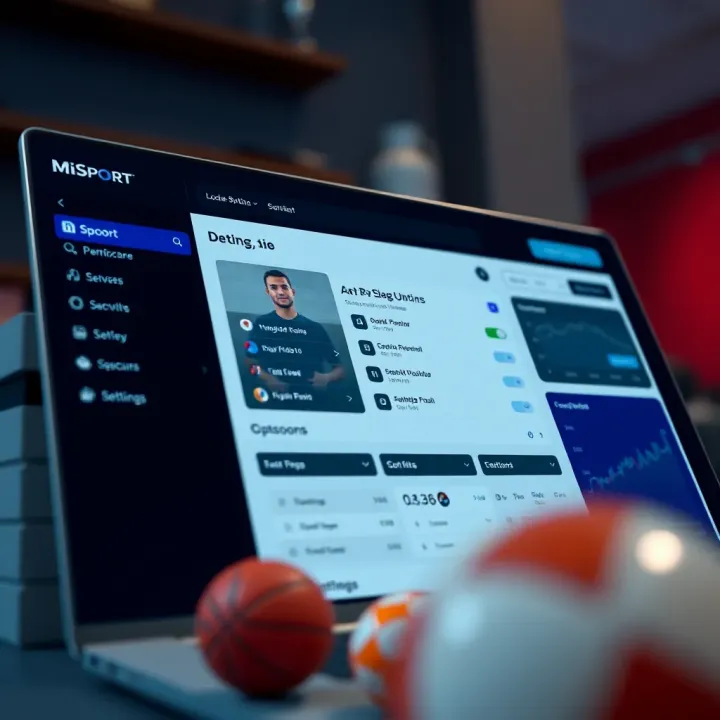
⚽ Ready to access Msport? This guide shows Nigerian users how to login securely, resolve common issues, and manage your betting account with ease. Stay safe and play smart!
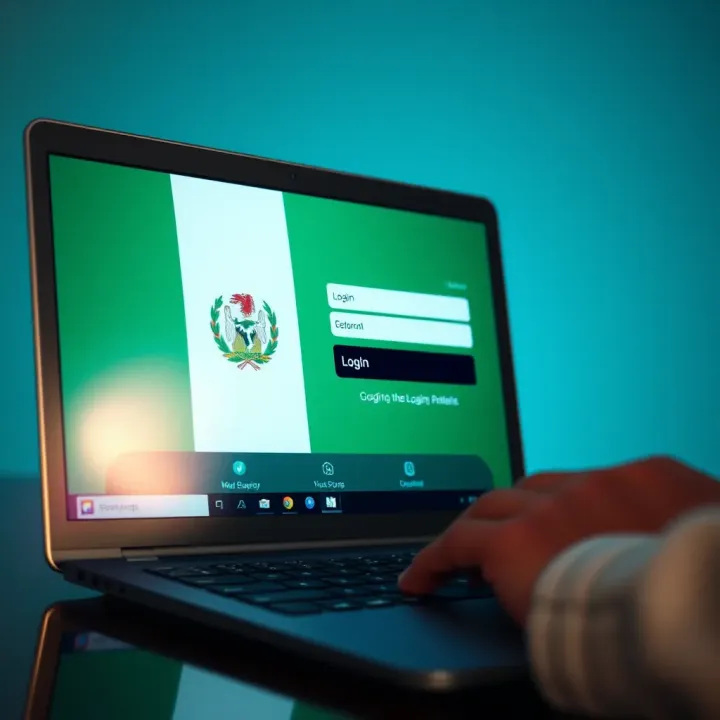
Learn how to access MSport for sports betting & entertainment in Nigeria 🇳🇬. Get easy login tips, secure your account & enjoy a smooth experience every time 🏆
Based on 6 reviews