
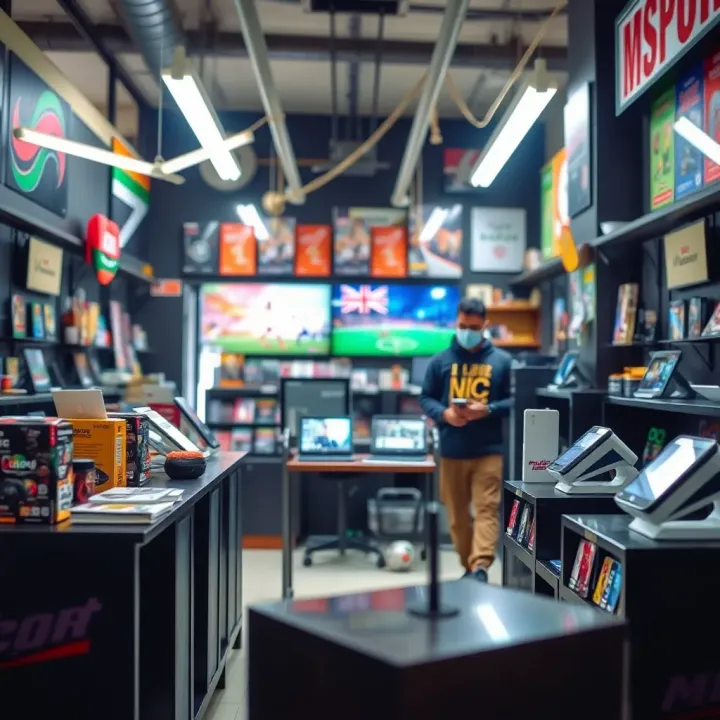
Old Mobile Msport Shop: Nigeria's Mobile Retail History
📱 Discover the Old Mobile Msport Shop's journey in Nigeria's mobile retail, its impact on cities, and how modern tech and market shifts reshaped its legacy.
Edited By
Nneka Emeka
The roots of motorsport in Nigeria stretch back to colonial times, when imported cars and motorcycles became a sign of status among the elites. Early motor rallies and speed competitions were mostly informal and limited to Lagos and a few other urban centres. As the years passed, enthusiasts and clubs emerged, paving the way for more structured racing events—though funding and proper infrastructure remained major hurdles.
By the 1970s and 1980s, local motorsport gained more formal recognition, especially with government-backed events tied to national celebrations or festivals. Despite erratic power supply and poor road networks, fans showed strong passion, often using rough tracks and airport runways for drag races.
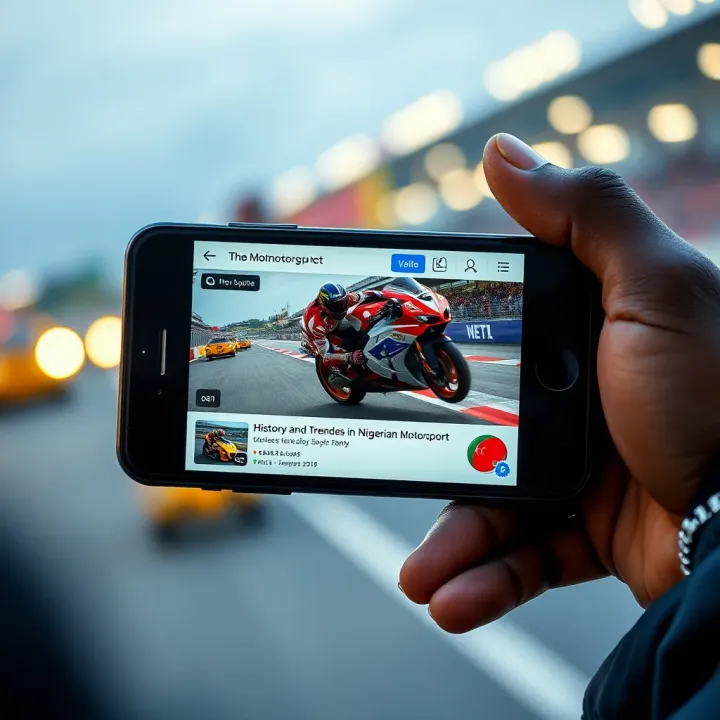
The landscape shifted significantly with the rise of mobile internet starting around the early 2010s. Nigerians increasingly accessed sports content through smartphones rather than traditional media, changing how information about motorsport spread. Mobile technology bridged the gap between fans, promoters, and sponsors, making it easier for enthusiasts to catch live updates or watch recorded race footage even from remote areas.
Smartphones enabled a surge in online interest, reflected in frequent search queries related to:
Upcoming race schedules
Profiles of Nigerian and international race drivers
Motorsport betting tips and odds
Technical specifications of popular race vehicles
Interestingly, searches for live streaming and highlights of races on platforms like YouTube or local Nollywood motorsport documentaries have grown severally.
Mobile internet has made motorsport more accessible, allowing fans outside Lagos or Abuja to stay connected and participate in the community digitally.
This digital shift offers new opportunities for sports bettors and bookmakers, who now monitor search trends to predict race popularity and tailor betting markets accordingly. Regulators and policymakers must also keep pace, ensuring fair play and embracing technology to boost motorsport's credibility.
Understanding old motorsport’s cultural growth alongside emerging digital behaviours is key for anyone involved in Nigeria's sports ecosystem. The fusion of history and technology offers fresh insight into both fan engagement and economic potential through mobile search data analysis.
Understanding the history and evolution of motorsport in Nigeria sheds light on how the sport grew from its humble beginnings to the passionate community it enjoys today. This background is vital for anyone analysing sports trends, betting markets, or media coverage related to Nigerian motorsport. The evolution reflects broader social, economic, and technological changes, providing context for current fan engagement and mobile search patterns.
Motorsport in Nigeria began to take shape in major cities like Lagos and Ibadan during the 1950s and 1960s, initially as informal road races and endurance challenges. These events often involved enthusiasts racing imported cars or motorbikes on makeshift tracks or country roads. The pace was modest compared to global standards, but the excitement they sparked laid the groundwork for a motorsport culture in Nigeria. These early activities also doubled as social gatherings, serving both entertainment and community-building purposes.
Some vintage races gained notable attention, such as the Lagos Classic Car Rally in the late 1960s, which brought together cars ranging from colonial-era British brands to early Japanese imports. Aircraft shows occasionally coincided with these races, enhancing public interest by framing motorsport within broader speed and technology demonstrations. These early combined events also attracted government officials and foreign dignitaries, bolstering motorsport’s profile.
Prominent personalities like Chief Gabriel Igbinedion and late Alhaji Aminu Dala emerged as pioneers, investing in both organising races and nurturing local talent. Their roles went beyond competing; they helped establish the sport's respectability and introduced formal structures that would later mature. These individuals’ passion preserved motorsport culture through challenging times, inspiring younger generations.
The 1970s and 1980s marked a period of expansion, with motorsport events becoming more organised and regular. The oil boom of the 1970s led to increased corporate sponsorships, allowing championships like the Nigerian National Rally to attract wider participation and media coverage. New racing venues emerged, such as the Ibadan Circuit, providing purpose-built tracks that elevated competition standards.
Economic downturns in the 1980s and instability in governance affected motorsport adversely. Import restrictions limited access to spare parts, making maintenance of racing vehicles expensive and difficult. Political uncertainty dampened sponsors' enthusiasm, causing a decline in event frequency and public interest. However, despite these setbacks, motorsport remained a resilient hobby for enthusiasts who adapted by focusing on grassroots, low-budget competitions.
During this period, formal organisations like the Nigeria Auto Sport Federation (NASF) and Nigerian Motorsport Club were set up to govern and promote the sport professionally. Their establishment brought standardised rules, driver licensing, and safety protocols. These organisations also liaised with international motorsport bodies, aiming to put Nigerian motorsport on the global map and attract external funding.

Motorsport has always been resource-heavy, requiring significant funds for vehicles, maintenance, and event logistics. Early Nigerian motorsport struggled to secure consistent sponsorship, relying heavily on private individuals or occasional government support. This lack of regular funding limited the scope and scale of events and made it difficult to sustain competitive racing calendars.
Suitable racing circuits were scarce, with most events held on public roads or improvised tracks lacking adequate safety barriers or medical facilities. This posed risks to drivers and spectators alike. For example, safety standards seen in international races were often missing, resulting in accidents that hindered public enthusiasm and raised concerns among regulators.
In the early years, motorsport was often viewed as an elite hobby, inaccessible to the average Nigerian. Media coverage was limited and sporadic, mostly focusing on football or athletics. This narrow exposure meant motorsport struggled to build a broad fan base, and the general public remained indifferent or unaware of available events. Building awareness took years of consistent effort by organisers and enthusiasts.
The history of motorsport in Nigeria illustrates a journey shaped by passion, challenges, and slow but steady growth. Recognising this evolution offers valuable insight into how current trends, including mobile search behaviours, connect with deep-rooted cultural and socio-economic factors.
Mobile internet has reshaped how motorsport fans in Nigeria follow their passion. Access to race updates, driver profiles, and event schedules now happens mostly on mobile devices rather than traditional media. This shift has broadened the fan base, especially among younger generations who rely on their smartphones for information and engagement.
Increased smartphone penetration has been a key factor driving mobile search growth. As more Nigerians access affordable smartphones, especially models from Tecno, Infinix, and Samsung, the ability to browse motorsport content anywhere has become easier. In Lagos and Abuja, where connectivity is strong, fans check race results or stream live events on their phones even while navigating traffic or queuing for fuel.
Role of affordable data plans cannot be overstated. Network providers like MTN, GLO, Airtel, and 9mobile have introduced pocket-friendly data packages targeting various income groups. This affordability encourages frequent online searches, allowing fans to stay updated on motorsport news without spending a fortune. For instance, the availability of daily plans for as low as ₦100 supports casual browsing on race weekends.
Popular mobile networks and services dominate this space by combining reliable coverage with value-added incentives. MTN’s y’ello data bundles and Airtel’s Smarttry plans are common among sports enthusiasts. WhatsApp groups and Telegram channels dedicated to motorsport gossip and analysis thrive on these platforms, making them central hubs for fans.
There’s a clear shift from traditional media to mobile platforms for motorsport content. Newspapers and sports magazines have taken a back seat as fans prefer instant access to updates through mobile websites and apps. Radio and TV still cover major events but no longer serve as the primary source of detailed information.
The use of search engines and social media for updates has skyrocketed. Google searches for race results, driver stats, and technical specs are common. Social media channels like Twitter and Instagram offer real-time notifications, while Facebook pages of local clubs post event announcements. This has pushed more fans to bookmark motorsport content on their devices.
Access to live updates and event schedules on mobile platforms makes following races in Nigeria seamless. Mobile services provide notifications about race starts, delays, or winners in real time, even where physical attendance is impossible. Apps with live timing and video highlights let fans keep pace with international and local motorsport scenes.
Several popular local and international motorsport sites cater to Nigerian fans. Websites like NaijaRacer and Motorsport Nigeria aggregate news and calendars of events happening across the country. International sites like Motorsport.com also see frequent traffic from Nigerian users keen to monitor Formula 1 and MotoGP updates.
Mobile apps tailored for Nigerian sports fans serve a growing niche. These apps range from ticket platforms for local circuit events to news aggregators that send push alerts on raceday. Some apps integrate community features allowing users to discuss race strategies or share vehicle restoration tips.
Community engagement through mobile platforms has strengthened the motorsport culture in Nigeria. Fans use WhatsApp groups, Facebook communities, and Twitter chats not just to follow races but also plan meetups, share veteran driver stories, and promote grassroots events. This digital connection ensures that even enthusiasts in remote states can join in the conversation and support the sport’s growth.
Mobile search is not just a convenience for Nigerian motorsport fans—it has become the heartbeat of the community’s engagement, making the sport more accessible and interactive than ever before.
Understanding popular mobile search terms related to motorsport helps gauge the interests and priorities of Nigerian motorsport fans. These search patterns reflect what enthusiasts want to know, helping stakeholders like sports bettors, analysts, and promoters tailor their content and engagement. Moreover, recognising seasonal spikes and trending keywords offers practical value for optimising marketing and communication strategies.
Searches for race schedules and locations remain among the top queries. Fans often seek up-to-date details on when and where races will happen, especially for events like the Lagos Motor Festival or local drag races in Lagos and Port Harcourt. Given Nigeria’s traffic challenges, knowing exact venues and timings helps enthusiasts plan their attendance or streaming schedules. Online platforms and mobile apps that provide real-time updates become invaluable here, serving both casual fans and serious followers.
Interest in Nigerian and international drivers also drives searches. Enthusiasts want to track prominent Nigerian racers, such as Rasheed Adebayo or Ngozi Chukwu, alongside international figures competing in Formula 1 or MotoGP. This interest reflects the growing pride in homegrown talent while keeping pace with global motorsport developments. Enthusiasts often look up driver profiles, recent performances, and upcoming races, which could influence betting patterns or journalistic coverage.
Vehicle and motorbike brands popular in searches show strong preference towards well-known names. Brands like Toyota, Honda, and Suzuki feature heavily, especially due to their dominance in Nigerian road use and motorsport fixtures. The popularity of motorbikes like the Bajaj and Honda CG among okada riders also translates to intense interest in their performance specs and modifications. These searches help fans stay informed on vehicle upgrades and might guide sponsorships or aftermarket businesses targeting this niche.
Search behaviour during major races and festivals naturally worsens. During the annual Lagos Motor Festival or national racing championships, search volume swells as fans hunt for live results, updates, and ticket info. This behaviour underscores the significant role mobile search plays in keeping fans connected despite poor traditional media coverage or location constraints.
The ember months, known for heighted social and economic activities, also show a marked rise in motorsport searches. Fans tend to increase their event attendance and online engagement during September to December, partly due to festive season excitement and holiday breaks. This trend provides a valuable window for organisations and sponsors to intensify their promotions and fan outreach.
Lastly, the impact of local automotive shows and expos on search trends is clear. Events such as the Nigerian International Auto Show attract both industry stakeholders and enthusiasts who dig deep into new car models, innovations, and motorsport-linked products. During these expos, searches spike around product launches and exhibitor announcements, reflecting growing consumer curiosity and potential market shifts.
Consistent monitoring of these mobile search trends offers a practical edge to businesses, media houses, and regulators aiming to enhance visibility and engagement within Nigeria’s vibrant motorsport community.
Old motorsport events in Nigeria laid the foundation for today's racing culture. Vintage races such as those held in Lagos and Enugu during the mid-20th century inspired a generation of enthusiasts who still draw motivation from these early shows of skill and determination. These historic events proved Nigerians could host organised racing, setting benchmarks that contemporary races aim to surpass in terms of excitement and professionalism.
Collecting and restoring classic vehicles has become more than a hobby; it is a way enthusiasts connect with Nigeria’s motorsport history. For example, owners of classic Ford Cortinas and Volkswagen Beetles often invest significant time and resources into ensuring these cars run like new. This dedication not only preserves heritage but also provides a tangible link to the past, keeping older motorsport narratives alive and relevant to younger fans.
Motorsport clubs play an essential role in preserving Nigeria’s racing heritage. Groups like the Classic Car Club of Nigeria organise meets where members showcase restored vehicles and share stories from the old days of racing. These clubs also push for more formal preservation efforts, such as creating archives and hosting vintage car exhibitions, which help educate and engage the public beyond the immediate enthusiast circle.
Striking a balance between old-school racing and modern technology is key to the sport’s growth. While traditional race formats and vehicles offer charm and nostalgia, embracing newer tech—like advanced timing systems and safer race tracks—improves competitiveness and safety. Nigerian race organisers who combine these elements tend to attract diverse crowds, bridging generations of fans.
Social media is crucial in preserving and promoting Nigeria's motorsport heritage. Platforms like Instagram and Facebook enable enthusiasts to share archival photos, clips, and stories from historic races. They also serve as forums for community conversations, allowing older and younger fans to interact, thereby keeping motorsport culture vibrant and accessible.
Community events that blend history with innovation are gaining popularity. For instance, some race organisers arrange vintage car parades alongside modern races during motorsport festivals, allowing spectators to experience Nigeria's racing evolution firsthand. These events not only celebrate heritage but also open doors to sponsorship and media coverage by catering to a broad audience.
Maintaining the heritage of old motorsport culture enriches Nigeria's racing scene by connecting enthusiasts across generations and fostering a deeper appreciation of the sport’s roots.
In essence, the influence of old motorsport culture in Nigeria provides both a framework and inspiration that contemporary enthusiasts continue to build upon, blending tradition with the demands of the modern racing landscape.
Mobile technology offers a unique path to boost motorsport’s reach across Nigeria, yet the journey is not without challenges. Understanding the barriers and tapping into practical strategies can help motorsport promoters connect better with fans, sponsors, and the broader public. This section looks at the key hurdles slowing online engagement and how to turn opportunities into real gains.
Connectivity issues in rural and remote areas remain a major challenge. Vast parts of Nigeria still suffer poor internet coverage, making streaming live races or accessing motorsport content difficult. Rural fans often rely on spotty 3G or even 2G networks, which limits their participation in mobile searches or social media engagement. For example, a motorsport event in a northern state may get minimal online traction simply because internet signals there are weak compared to Lagos or Abuja. This digital divide prevents a truly national motorsport community from forming and keeps fans in these areas disconnected from live updates and discussions.
Cost of data and its impact on access further compounds this gap. Though data prices have dropped over recent years, the average Nigerian still weighs the expense of heavy browsing or streaming against other essential needs. Watching live race highlights or visiting content-rich motorsport websites uses more data, making it unaffordable for many. This limits regular fans from following their favourite motorsport events closely on mobile devices. Sponsors and promoters must recognise that without affordable data options or lighter content formats, engagement will stay low in some segments.
Quality and reliability of online content is another concern. Many available sources fail to provide timely or accurate information on local motorsport events. Nigerian motorsport enthusiasts often complain about outdated schedules or wrongly reported driver standings on mobile platforms. Spotty content discourages repeat visits and undermines trust in digital motorsport media. Therefore, investing in high-quality, frequently updated websites and apps is crucial to keep enthusiasts hooked and to grow viewership.
Leveraging social media influencers and bloggers is a smart way to reach wider audiences. Influencers with a passion for motorsport and a strong online following can create engaging stories, behind-the-scenes content, and real-time reactions that resonate well with Nigerian fans. A blogger covering famous rally events can boost interest significantly by sharing local experiences and engaging directly via comments. Involving these digital voices in event promotions brings authenticity and reaches demographics that traditional advertising might miss.
Developing user-friendly apps and websites tailored for Nigerian motorsport fans can improve content accessibility. Nigerians prefer apps that load quickly on low-bandwidth networks, as well as interfaces that work well on a range of smartphones, from premium to tokunbo devices. Features like simple navigation, offline content options, and push notifications about upcoming races help build a loyal user base. For instance, an app that offers quick race schedules, driver stats, and highlights in video or text form can keep enthusiasts coming back regularly.
Collaboration with telecom companies and sponsors presents both a promotional engine and solution to data cost barriers. Mobile network providers can offer dedicated data bundles for motorsport apps or streaming channels, reducing costs for users. Sponsors, in turn, gain visibility through such partnerships and can co-host events or online contests that boost fan engagement. Examples include joint campaigns between telecom firms like MTN or Glo and motorsport bodies to promote major races or create fan zones with free internet access during events.
A coordinated approach addressing these challenges and leveraging mobile technology’s strengths is vital to growing Nigeria’s motorsport fan base online and sustaining industry interest.
📱 Discover the Old Mobile Msport Shop's journey in Nigeria's mobile retail, its impact on cities, and how modern tech and market shifts reshaped its legacy.

⚽ Get the full scoop on the MSport Europa League: its format, history, and impact on Nigerian football 🇳🇬. Learn how to catch matches live via local broadcasters 📺 and streaming apps online.

Discover www.msportshop.com mobile platform 📱 tailored for Nigerian sports lovers 🇳🇬 – browse gear, pay in ₦, enjoy fast delivery, and shop seamlessly anytime, anywhere ⚽🏀
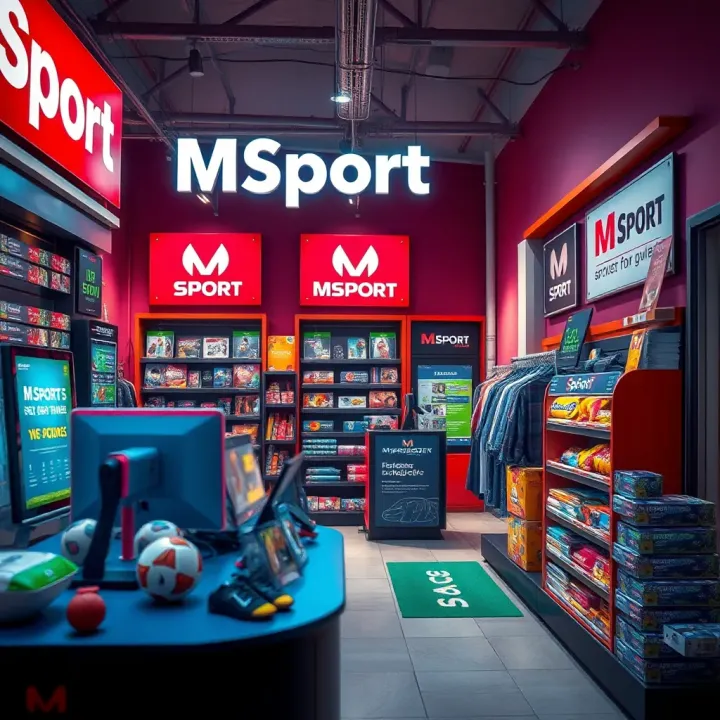
Discover what MSport means in Nigerian shops 🛒 and how it boosts your shopping experience. Learn its benefits for business owners and customers alike 💡🛍️
Based on 8 reviews