
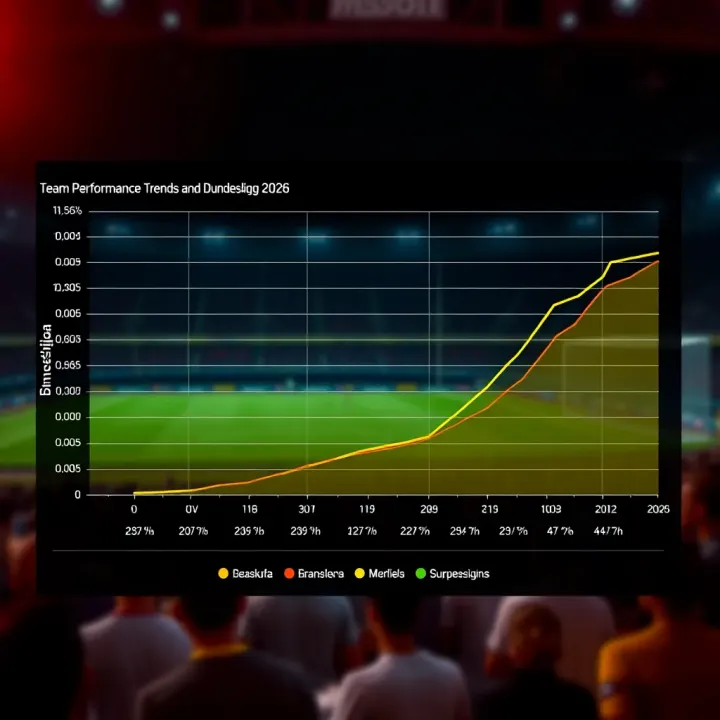
msport Bundesliga 2026 Season Predictions
⚽ Check msport Bundesliga 2026 season predictions! Team form, transfers, and key fixtures break down title, Europe spots, and relegation battles in detail.
Edited By
Daniel Lawson
The 2026 Africa Cup of Nations (AFCON) promises to be a fiercely competitive tournament, with several powerhouse teams aiming to stake their claim. MSport's predictions focus on key factors shaping the competition — from Nigeria’s prospects to emerging talents reshaping team dynamics across the continent.
Nigeria enters the tournament with a renewed squad blending experience and youth. Players like Kelechi Iheanacho and Victor Osimhen remain crucial in attack, while younger stars such as Divine Ikedife provide fresh impetus. This mix could be Nigeria’s edge, especially if tactical discipline improves under the current coaching setup.
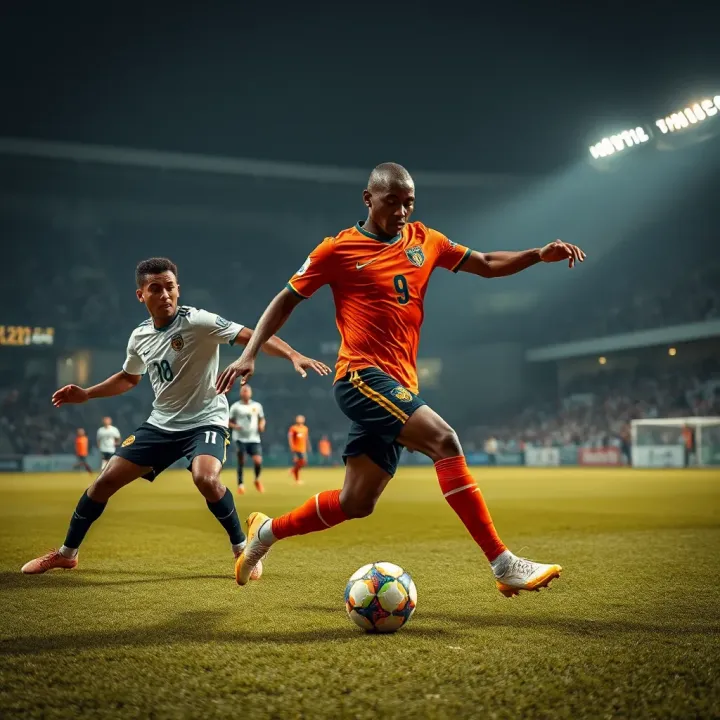
Across the continent, nations like Senegal, Egypt, and Morocco are expected to maintain strong performances. Senegal's squad, rich with European-based talents, offers physicality and tactical awareness. Egypt’s team, anchored by seasoned players like Mohamed Salah, still has firepower despite transitions. Morocco’s technical style is likely to challenge opponents tactically.
A vital trend to watch is the rise of players from less traditional football nations. Countries like Burkina Faso and Zambia have been developing outstanding talents who could disrupt the usual order and influence betting markets with unexpected results.
MSport also highlights evolving tactical approaches. Coaches increasingly prefer high-pressing and quick transitions, moving away from the traditionally cautious setups. This shift might lead to more open games and increased goal-scoring chances, affecting match predictions and strategies for bookmakers.
The next AFCON is not just about historical favourites but also about fresh talents and tactical innovation changing the face of African football.
For bettors and analysts, understanding these nuances helps sharpen forecasting models. Key considerations include:
Squad depth, especially at crucial positions
Injury updates and player form leading up to the tournament
Tactical styles preferred by coaching staff
Historical performance trends of teams in AFCON
Bookmakers must adapt odds dynamically to reflect last-minute shifts such as squad changes or emerging underdog candidates. Meanwhile, regulators should watch for fair play and betting integrity as interest intensifies.
In summary, MSport’s 2026 AFCON predictions offer a grounded, insightful look ahead. Nigeria’s blend of talent, rising competitors, and tactical evolutions make this edition one worth close attention from all football lovers and sports stakeholders.
The 2026 Africa Cup of Nations (AFCON) stands as one of the continent's most anticipated sporting spectacles. Understanding its structure and context is vital for sports bettors, analysts, and journalists who want to approach predictions with depth. This section unpacks the tournament format, host details, and the competition’s rich history, all of which influence team performances and outcomes.
AFCON 2026 will be held in South Africa, marking the country's fifth time hosting Africa's premier football event. Venues include iconic stadiums such as the FNB Stadium in Johannesburg and the Moses Mabhida Stadium in Durban, both known for their large capacities and top-notch facilities. Venue specifics matter because familiar conditions, climate, and pitch quality directly affect team performance and tactical choices.
Qualification for AFCON 2026 follows a competitive group stage format overseen by the Confederation of African Football (CAF). Nations are divided into groups, with group winners and some runners-up securing places in the finals. This structure ensures only countries in good recent form reach the tournament, providing vital context for forecasting potential winners or dark horses.
The tournament spans about three weeks, featuring a group stage followed by knockout rounds: round of 16, quarter-finals, semi-finals, and final. Teams compete fiercely to advance by tactical discipline and physical readiness. The schedule's density means squad depth and injury management become key factors. Understanding this helps predict how teams might cope with fatigue and rotation challenges.
Countries like Egypt, Cameroon, Nigeria, and Algeria have historically dominated AFCON, with Egypt holding the record for the most titles. Past performances often hint at which nations maintain the football infrastructure and talent pipeline needed for success. For example, Nigeria's consistent semifinal appearances reflect their ability to groom young talents and manage tournaments well.
AFCON has grown both in scale and professionalism, expanding to 24 teams since 2019, which introduced more opportunities for emerging nations. Increased live broadcasts and digital coverage have also raised the stakes and global interest. Changes like these impact how teams prepare and approach matches, with tactical evolutions responding to wider international football trends.
Aside from determining the continent’s champions, AFCON is a launching pad for players to attract overseas scouts and for coaches to test new strategies. It shapes national pride and generates significant economic activity around host cities. For stakeholders like bookmakers and analysts, this tournament presents multiple angles—form guides, player form, and external pressures all create layers of complexity essential for informed predictions.
"Examining AFCON’s format, history, and context provides a solid foundation to anticipate what might unfold on the pitch, giving bettors and analysts an edge in their forecasts."
This overview solidifies the groundwork to explore MSport’s specific predictions later, ensuring readers grasp the why and how behind team performances and tournament dynamics.
MSport’s approach to predicting the Africa Cup of Nations (AFCON) outcomes combines data analysis with football intuition. This method matters because AFCON is a dynamic tournament where many variables influence results, making pure guessing ineffective. Instead, MSport uses quantifiable data and contextual factors to produce forecasts that help sports bettors, analysts, and journalists make informed decisions. For example, rather than relying solely on past glories, MSport examines recent performances, player conditions, and environmental factors to build a realistic picture.
MSport places great emphasis on player-level data such as goals scored, assists, pass completion rates, and defensive actions. Beyond raw numbers, recent form is crucial; teams riding winning streaks tend to carry confidence into tournaments. Take Senegal’s Sadio Mané, for instance—his goal-scoring streak in the Champions League signals a player in top form likely to influence AFCON outcomes.

Tracking team form across qualifiers and friendlies also provides a pulse on tactical consistency and morale. Teams that struggle in recent matches often find it hard to recover during a packed, high-stakes tournament like AFCON.
Qualifiers serve as a practical testing ground where teams face decent opposition under pressure. MSport reviews these games to spot emerging patterns, such as a new defensive shape or a striker hitting peak performance. Friendlies add insight into experimental line-ups or injury recoveries, even if they lack competitive pressure.
For instance, Nigeria’s recent qualifiers against top rivals have shown defensive resilience and creative midfield play that might not be obvious from player stats alone. However, friendlies where teams rest key players need careful weighting to avoid misleading signals.
Playing at home or nearby locations often confers real benefits. Familiarity with pitch conditions, fan support, and reduced travel fatigue can tip close matches. MSport factors in host country conditions, altitude, climate, and travel distances.
For example, when Egypt hosted AFCON in 2019, the home crowd's energy visibly lifted the team’s play, which MSport accounted for strongly in its predictions. Conversely, teams travelling across climates, like West Africans adjusting to southern African winters, may face stamina challenges.
A well-trained side with solid chemistry often outperforms a more talented but unsettled squad. MSport analyses how long coaches have worked with their squads and assesses tactical fluidity from recent games. Coaching decisions on substitutions, formations, and motivation affect tournament progression significantly.
For instance, Côte d’Ivoire’s coach playing a critical role in stabilising the defence and integrating youth players proved decisive at the last AFCON. Teams undergoing coaching changes shortly before the competition may struggle to find rhythm.
The physical toll of an intensive tournament makes squad depth a vital advantage. MSport maps injury reports and compares backup players' quality. Teams relying heavily on a few stars risk early exits if those players fall ill or tired.
Nigeria’s attack, while potent, faces questions over depth if key forwards get injured. Meanwhile, Morocco’s well-balanced roster offers better insurance, which MSport highlights as influencing their chances.
MSport tracks shifts like the rise of pressing football or strategic defensive blocks adapted by African teams. Teams embracing modern tactics often disrupt traditional powerhouses.
For example, the increasing use of wing-backs in Burkina Faso’s setup adds width and attacking options. Predicting which teams have successfully adopted these trends informs who might exceed expectations in AFCON 2026.
Combining hard data with football knowledge, MSport’s predictions equip stakeholders with realistic insights, avoiding the pitfalls of guesswork and hype.
This balanced approach ensures forecasts reflect the tournament’s real complexities, enabling bettors, bookmakers, and analysts to plan with confidence.
Identifying the top contenders and potential dark horses is central to understanding the dynamics that will shape the 2026 AFCON. This approach helps analysts, bookmakers, and sports bettors anticipate which teams are likely to perform well and where surprises might emerge. Focusing on established powerhouses alongside rising teams provides a comprehensive perspective that balances proven quality with emerging potential.
Nigeria remains one of the top favourites heading into AFCON 2026. The Super Eagles have a blend of experienced players and exciting young talents making waves both locally and in European leagues. With stars like Alex Iwobi and Wilfred Ndidi expected to lead the midfield, and emerging strikers progressively finding form, Nigeria’s squad depth looks promising. Their recent qualifiers showed resilience, though injury concerns in key defensive positions might challenge their consistency. For bettors and analysts alike, Nigeria’s balance between attacking creativity and defensive stability will be crucial to watch.
Egypt and Algeria have traditionally been powerhouses shaping the AFCON landscape. Egypt continues to rely on veterans like Mohamed Elneny and Mohamed Abdelmonem, while steadily introducing fresh talents from the Egyptian Premier League and abroad. Algeria, the 2019 winners, are rebuilding after several retirements but still boast a core group playing in European top-flight clubs. Both teams have invested in tactical versatility during recent qualifiers, making them tactically flexible and dangerous opponents. Understanding their evolving strategies is essential for accurate predictions and odds setting.
Senegal, crowned champions in 2021, have maintained a strong squad featuring the likes of Sadio Mané and Kalidou Koulibaly. Their recent focus on integrating younger players alongside veterans positions them for continued success. Morocco, with its growing football infrastructure and scouting network, has produced a pool of talented players competing in Europe’s best leagues. Their emphasis on disciplined defence and fast transitions could unsettle more favoured teams. Both nations present solid picks for successful AFCON runs and deserve close attention in analyses.
Cameroon and Ghana are investing heavily in restructuring their squads and coaching setups. Cameroon has been nurturing local league talents and blending them with diaspora players returning home, while Ghana focuses on revamping youth development systems. These efforts have improved their competitive edge in regional tournaments. Given this context, both teams could upset more established sides, a factor bookmakers must consider when adjusting odds.
Tunisia and Burkina Faso have demonstrated consistent form in recent qualifications. Tunisia’s disciplined approach and emerging goal scorers provide them with a reliable platform. Burkina Faso, often underestimated, has shown resilience with players like Bertrand Traoré leading their attack. For analysts, their solid form and tactical organisation imply a capacity to challenge favourites and advance further than expected.
Emerging talents from countries outside football’s traditional power centers can shift tournament dynamics significantly. For instance, nations like Madagascar or Malawi have produced players improving steadily in international leagues. These young stars, hungry to prove themselves, often bring unpredictability and energy to the competition. Their presence adds an exciting layer for bettors and analysts, who must watch for breakout performances that could influence outcomes unexpectedly.
Understanding both the established giants and the rising challengers equips stakeholders with a nuanced lens for predicting AFCON 2026 outcomes. This balance between experience and youthful promise defines the tournament’s competitive edge.
Key players will shape the 2026 Africa Cup of Nations (AFCON) in ways beyond just scoring goals or making crucial tackles. Their form, leadership, and influence affect team morale, tactical execution, and ultimately match results. Understanding who these players are, both veterans and rising stars, offers bettors, analysts, and journalists clearer insights into team dynamics and potential outcomes.
Veteran players often carry the weight of past tournament experience, which becomes invaluable during high-pressure moments in AFCON. Take someone like Nigeria’s Ahmed Musa, who despite his age, brings calm composure and precise decision-making honed over many international appearances. Their ability to stabilise play and mentor younger teammates can turn tight games in their favour.
Experience can also temper rash decisions that newcomers might make, especially in knockout stages where one mistake can end the campaign. These seasoned pros often adapt their style to preserve energy, focusing on efficient positioning rather than raw speed, proving essential in a demanding tournament schedule.
Leadership isn't confined to wearing the captain’s armband. Many veterans act as emotional anchors, guiding the squad through dressing room tensions, handling media scrutiny, and helping coaches implement strategies. For instance, Egypt’s Mohamed Elneny is known for rallying his teammates and maintaining focus, both vital when playing in hostile away environments or during fixture congestion.
Off the pitch, veteran stars contribute to team unity by fostering communication between different ethnicities and regions within squads—something especially crucial in multinational teams like Senegal and Cameroon. Their presence often encourages discipline and professionalism, limiting off-field distractions that have hampered teams in past AFCON editions.
Young talents thriving in competitive leagues around the world will be crucial in the 2026 AFCON. Players like Ghana’s Kamaldeen Sulemana, who made a splash at Stade Rennais in France, inject pace and unpredictability that can unsettle even the best defences. Their fresh energy challenges the often rigid tactical setups of established teams.
These youngsters also bring new technical skills and tactical awareness picked up in European or North African leagues, elevating their national teams’ overall level. Tracking their club form offers useful clues for predicting their impact during the tournament.
Nigeria’s pool of emerging footballers is deep and diverse. Players such as Samuel Chukwueze and Kelechi Nwakali represent the blend of skill and tactical maturity that the Super Eagles need to challenge traditional powerhouses. Chukwueze’s dribbling flair and finishing in La Liga have steadily improved, signalling his readiness for a leading role.
Moreover, upcoming talents from the Nigerian Professional Football League and youth national teams frequently emerge mid-tournament as decisive players. Keeping an eye on Nigeria’s youth competitions and AFCON qualifiers can reveal which players might break through next tournament.
AFCON history shows that unexpected players can swing fortunes single-handedly. Consider Morocco’s Achraf Hakimi, whose overlapping runs and crossing ability changed games in previous tournaments. New contenders will appear from less-fancied nations, bringing fresh challenges to scouting reports.
These game-changers often possess unique attributes: blistering pace, creativity under pressure, or defensive solidity. Their performances can shift betting odds rapidly and influence analyst predictions. Identifying these talents before AFCON starts gives a strategic advantage in assessing team potential.
In summary, both seasoned veterans and emerging talents contribute to the narrative and tactical complexity of the 2026 AFCON. Recognising their roles enriches the understanding of team strengths and weaknesses, vital for anyone analysing or wagering on the tournament.
Nigeria’s journey at the 2026 Africa Cup of Nations (AFCON) matters greatly for fans, analysts, and stakeholders alike. Known for strong tournament histories and a wealth of talent, the Super Eagles’ performance sets expectations across the continent and directly influences betting markets, media narratives, and football development strategies.
Recent qualifiers have shown mixed performances from the Nigerian team, featuring hard-fought wins and some shaky moments. For example, the encounters with Ghana and Ivory Coast during qualifiers tested the team’s resilience and revealed areas for improvement, particularly in game management during high-pressure phases.
Friendly matches ahead of the tournament have been instrumental in allowing coaches to experiment with tactical setups and integrate younger players. Games against countries like Cameroon and Uganda offered valuable insights, highlighting the need to sharpen attacking coordination while maintaining defensive solidity.
Coaching strategy remains pivotal to Nigeria’s preparation. The head coach has leaned towards a balanced playstyle, combining quick transitions with structured defence. Squad depth is an asset, with seasoned players like Wilfred Ndidi providing stability and emerging talents such as Victor Osimhen driving offensive options. However, inconsistency in player form or injuries could undermine this advantage if not managed properly.
Nigeria’s defensive resilience has improved, backed by disciplined backline performances in recent matches. The defenders display good positional awareness, crucial against technically strong teams. Attack creativity comes from both established forwards and midfielders, with the fluid interplay between Samuel Chukwueze and other attackers generating scoring chances.
That said, discipline and injury concerns persist. Yellow card accumulations and occasional lapses in concentration have cost the team in past tournaments. Injuries to key players during camp or matches could force tactical reshuffles, affecting rhythm and squad harmony.
Opportunities to advance further than in previous editions hinge on the team’s consistency and ability to close out tight games. Emerging talents offer fresh energy, and a mix of experienced leaders can guide younger teammates through tournament pressures. If the team maintains fitness and avoids off-pitch distractions, reaching the semi-finals is a practical target.
Nigeria’s prospects in 2026 AFCON rest on blending youthful exuberance with tactical discipline, making them a team to watch keenly from group stages through to knockout rounds.
In sum, Nigeria blends proven strength with promising areas for growth. How effectively the team navigates these factors will influence their tournament trajectory and AFRICAN football landscapes alike.
⚽ Check msport Bundesliga 2026 season predictions! Team form, transfers, and key fixtures break down title, Europe spots, and relegation battles in detail.

⚽ AFCON predictions today highlight top matchups, team form, tactical insights, injury news, and expert forecasts to guide Nigerian fans and bettors on expected tournament results.
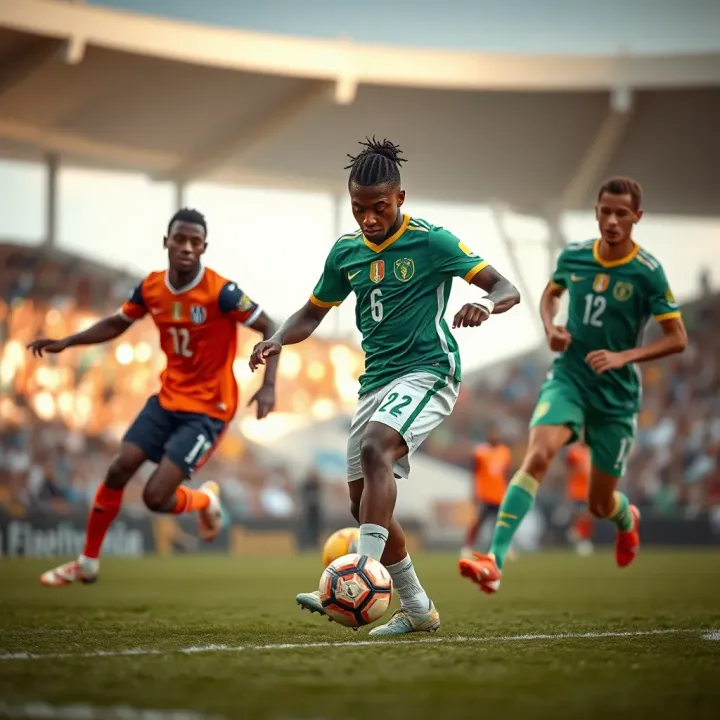
⚽ Get sharp msport AFCON predictions for tonight's matches! Insights on top Nigerian teams, player form, tactics, plus smart betting tips you can trust. 🇳🇬

🎯 Get reliable MSport predictions for today’s matches with expert methods and key factors. Improve your sports betting strategy confidently and make wise decisions today!
Based on 10 reviews