

MSport World Cup Tips for This Weekend
⚽ Get sharp World Cup tips this weekend with MSport! Check team form, player updates & betting angles to make informed calls and enjoy the thrill fully.
Edited By
Henry Callaghan
The Msport World Cup has steadily carved a niche in the African sports scene, attracting attention from bettors, analysts, and industry insiders. Unlike traditional tournaments dominated by Europe and South America, this event brings a fresh, dynamic competition that taps into local talent and enthusiasm across Nigeria and neighbouring countries.
Launched just a few years ago, the Msport World Cup combines international standards with a specific focus on growing football infrastructure and expertise within Africa. The tournament usually features 16 national teams, showcasing emerging stars and seasoned players alike. Nigeria’s team, in particular, has drawn sizeable crowd interest, both in stadiums and through digital streaming, presenting new opportunities for sports betting operators and media outlets.
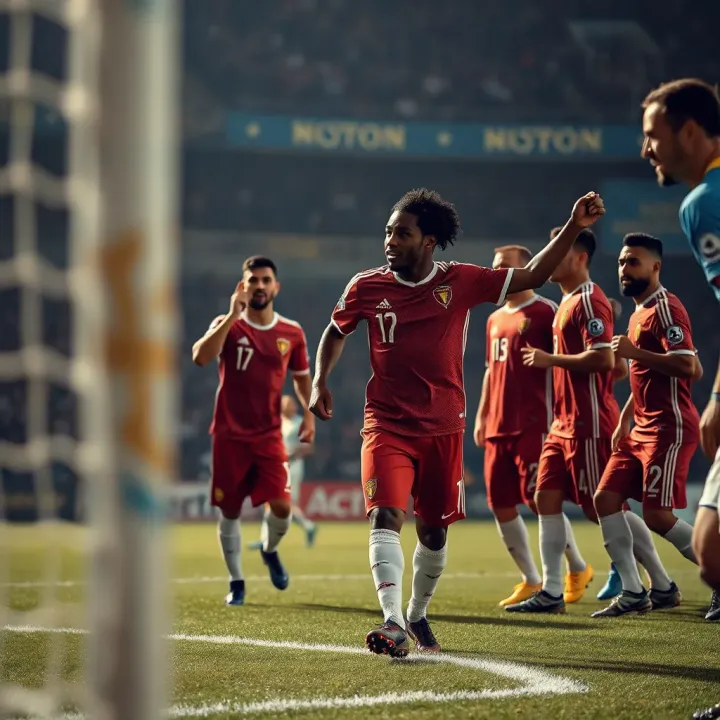
Msport World Cup is quickly becoming a platform where grassroots football meets big-stage competition, pushing the envelope for sports development in Nigeria.
Sports Bettors and Bookmakers: The tournament’s unpredictability and rising profile offer fresh betting markets, with competitive odds driven by emerging talents and evolving team strategies.
Analysts and Journalists: The event provides rich data on player performance, tactics, and team dynamics in a developing football context, opening up fresh narratives and insights.
Regulators: With increased betting activity around the tournament, there's an urgent need to ensure fair play, responsible betting, and curbing of match manipulation risks.
For local businesses, the Msport World Cup brings significant economic boosts; from hospitality sectors filling up due to increased visitors to street traders like mama puts cashing in during match days. Lagos and Abuja have seen a rise in hotel bookings, restaurant patronage, and transport activities during the competition phases.
Besides commerce, the event encourages youth participation in sports, offering pathways for talent discovery. This, in turn, supports long-term growth of Nigeria’s football ecosystem and spurs investments into academies and community sports centres.
The Msport World Cup is not without challenges, such as infrastructure gaps and funding shortages, but these hurdles have prompted collaborations between private investors, government agencies, and football federations to strengthen the tournament’s foundations.
In summary, the Msport World Cup is swiftly becoming a key event with relevance beyond the pitch — influencing betting markets, media coverage, grassroots sports, and local economies. Its role in shaping Nigeria’s football future and economic opportunities is worth watching closely in the years ahead.
Understanding the origins and growth of the Msport World Cup is vital for grasping how this tournament carved its niche amid Africa’s competitive sports scene. It offers insight into the tournament's initial goals, early challenges, and the strategies that propelled its expansion across the continent. This background helps sports analysts, bookmakers, and regulators appreciate the tournament’s current significance and future potential.
The Msport World Cup began as a regional competition aimed at providing a platform for emerging African athletes often overlooked by established global tournaments. Its founders wanted to showcase local talent and create opportunities for players from less prominent football nations to gain international exposure. In the early years, the tournament focused on integrating modestly funded teams, primarily from West and East Africa, into a structured, competitive setting.
For example, the first edition saw participation restricted to 8 nations, largely due to logistical and funding constraints. Despite these hurdles, the organisers maintained a clear mission: develop grassroots football and increase local interest in international competitions without the excessive commercial pressures found elsewhere. This approach built a solid foundation for sustainable growth.
As the Msport World Cup matured, it spread beyond its initial regional boundaries. By its fifth edition, the tournament had expanded to include over 20 nations from North, Central, West, East, and Southern Africa. This expansion reflected deliberate efforts to tap into underrepresented markets like Central Africa and parts of Southern Africa, which had often missed out on major continental events.
The organisers enhanced the tournament’s appeal by scheduling matches in diverse host cities, including Nairobi, Accra, and Lagos. This not only boosted local economies through tourism but also encouraged the upgrading of sports infrastructure—stadiums and training facilities benefited from government and private sector investments. One practical impact is the increased use of local venues for international fixtures, reducing dependence on a few major hubs.
The Msport World Cup’s expansion across Africa illustrates how inclusive planning and strategic host selection can raise a tournament’s profile while fostering meaningful investment in local sports development.
This phase saw better sponsorship deals with Nigerian-based companies and pan-African brands, injecting much-needed funds and media coverage. Such growth has attracted bigger sports networks and betting companies eager to tap the tournament’s growing fanbase, boosting its commercial footprint.
The tournament’s development highlights the interplay between sports, economics, and regional integration, making it a significant case study for those tracking the evolution of African football and its associated markets.

Understanding the structure and format of the Msport World Cup is key for grasping how this tournament competes with established international fixtures and impacts stakeholders, especially bettors, analysts, and regulators. The way teams qualify, the competition's scheduling, and the rules governing play all shape its appeal and operational success.
The qualification system serves as the tournament’s gateway, setting it apart by emphasising inclusivity across Africa. Teams qualify through regional competitions overseen by respective zonal football bodies, much like the sub-regional qualifiers organised by the West African Football Union (WAFU) or Council for East and Central Africa Football Associations (CECAFA). This approach not only broadens the pool of participating nations but also ensures emerging football nations get exposure on a bigger stage.
Currently, the Msport World Cup features 16 national teams from across the continent, selected through these qualifiers. For example, Nigeria’s Super Eagles typically secure their spot by finishing in the top ranks of the West African qualifiers. This open but competitive process keeps matches intense from the outset and provides consistent data for sports analysts tracking form and potential outcomes.
The tournament adopts a group stage followed by knockout rounds, similar to many global football competitions. Teams divide into four groups of four, playing round-robin matches. The top two from each group advance to quarterfinals, then semifinals, and finally the championship match.
Scheduling is usually compressed within a three-week window to keep intensity high and maintain audience engagement. This compact timeline also aligns with international breaks, encouraging player availability from European leagues where many African talents play. For instance, the last edition ran from late June to mid-July, avoiding clashes with the Nigerian Professional Football League schedule.
The Msport World Cup follows standard FIFA rules, ensuring consistency and familiarity for players and officials. However, some adaptations address local conditions, such as allowing an extra substitution in extra time to manage player fatigue in humid climates.
Strict disciplinary codes regulate unsporting behaviour and match-fixing, with the governing body working closely with Nigerian and African regulatory agencies to uphold integrity. Technology like VAR (Video Assistant Referee) is gradually introduced, starting in quarterfinals, improving decision accuracy and fairness.
The Msport World Cup’s structure — from qualifiers to rules — combines global football standards with African regional flavours, offering a competitive yet locally relevant tournament that keeps both fans and regulators engaged.
Together, these format elements shape the economic, social, and sporting impact of the Msport World Cup, directly influencing betting markets, broadcasting rights, and youth development programme investments.
The Msport World Cup brings notable benefits to Nigerian sports, serving as a potent platform to showcase local talent and fuel broader development. It acts as a gateway for Nigerian players and teams to compete at a higher level and gain exposure beyond domestic leagues.
This tournament offers Nigerian players and teams a unique chance to sharpen their skills against diverse African opponents. Players from lesser-known clubs have been scouted during the Msport World Cup, boosting their chances for professional contracts locally and abroad. For example, recent editions have seen standout performances by Nigerian forwards who later secured moves to leagues in South Africa and Europe.
Nigerian teams also gain experience managing the rigours of international competition, improving tactical discipline and resilience. Teams such as Enyimba and Kano Pillars have underscored the benefits by qualifying and participating, setting benchmarks for emerging clubs. The heightened competition raises the profile of Nigerian clubs, helping draw sponsor interest and fan engagement, which are vital for long-term sustainability.
Hosting matches and training camps within Nigeria encourages investment in sports infrastructure. Facilities that were once basic have seen upgrades to meet the tournament’s standards, influencing stadium renovations, pitch improvements, and better training amenities. Lagos and Abuja, for instance, have benefited from these enhancements, providing a better environment not just for professional teams, but grassroots programmes as well.
Government agencies and private sector sponsors have shown more willingness to finance sports projects linked to the Msport World Cup. This has filtered down to community sports centres, youth academies, and coaching clinics, creating a pipeline of talent for the future. Beyond infrastructure, the tournament’s publicity has increased appreciation for football as a career path, encouraging youths in cities and rural areas alike to pursue the game seriously.
The Msport World Cup's influence on Nigerian sports is tangible—not only as a competitive arena but as a catalyst for investment in both human and physical capital, key to the country’s ambition in African football.
By strengthening local teams and upgrading facilities, the Msport World Cup helps Nigeria maintain its status as a football powerhouse in Africa while opening doors for emerging talents and communities to thrive through sport.
The Msport World Cup has carved a significant place not only on the football calendar but also in the economies and communities of host cities. Understanding its economic and social impact helps gauge how the tournament goes beyond the pitch, affecting diverse stakeholders from government agencies to local small businesses.
Sponsorship remains the lifeblood of the Msport World Cup. Companies like MTN Nigeria, Globacom, and Nigerian Breweries have invested heavily, driving revenue streams crucial for the tournament's sustainability and growth. Ticket sales alone in recent editions have fetched upwards of ₦500 million, while broadcasting rights, sold to major Nigerian TV stations and digital platforms, add substantially to income. These sponsorship deals often include activation campaigns within urban centres, giving brands visibility among millions of football lovers, which in turn fuels local marketing economies.
The financial inflows also help improve facilities, from stadium upgrades to training centres. For instance, after hosting matches in Lagos, the Teslim Balogun Stadium underwent refurbishment partly financed by sponsorship money tied to the event.
Host cities benefit from a sharp rise in visitors during the tournament period. Hotels in Abuja, Lagos, and Port Harcourt report occupancy rates exceeding 90%, thanks to visiting fans and teams. This influx boosts demand for transport services, local eateries, and entertainment venues, with some hotels recording a 40% rise in food and beverage sales.
Local tour operators capitalise by creating sport-themed city tours, introducing visitors to cultural landmarks beyond the stadiums. This activity not only injects foreign exchange but also raises host cities’ profiles as viable tourism destinations. The ripple effect can be felt down to petrol stations and okada riders who see increased patronage during these periods.
The Msport World Cup also serves as a platform for community upliftment and youth empowerment. Organisers often run football clinics and workshops targeting young people across host cities. These initiatives provide access to quality coaching and create avenues for talent identification.
Grassroots programmes tied to the tournament encourage local youths to take active roles, whether as ball boys, event volunteers, or referees. This involvement nurtures skills and instils discipline. For example, the 2023 tournament in Kano saw a surge in youth participation in local football leagues, inspired by the visibility and excitement of the Msport World Cup.
The tournament’s social reach extends beyond mere sport. It fosters community pride and offers a constructive outlet for young Nigerians, helping reduce youth delinquency in host areas.
Overall, the Msport World Cup’s economic and social impact resonates widely. From raking in millions in sponsorship and revenue to energising local economies and empowering young people, this tournament is proving beneficial on many levels, reinforcing Nigeria’s growing stature on the continental sporting stage.
The Msport World Cup is at a defining point in its growth, facing several challenges that need addressing to secure its place on the international stage. Examining its operational difficulties, competition with established tournaments, and ambitions for wider recognition reveals practical steps crucial for its sustainability and expansion.
Running a continental tournament as complex as the Msport World Cup requires sharp organisational skills and robust logistics. Frequent scheduling conflicts and venue readiness have disrupted past editions, which undermined the tournament's reputation. For instance, in the 2023 edition, several matches faced delays due to inadequate coordination between host cities and transport services, leaving fans frustrated. Ensuring dependable infrastructure—stadiums meeting international standards, reliable power supply, and efficient transport networks—is essential. Moreover, skilled event management teams should be trained locally to handle these operational demands, reducing reliance on foreign contractors and cutting costs.
The Msport World Cup struggles to attract global attention due to well-entrenched competitions like the FIFA World Cup and the Africa Cup of Nations. These tournaments benefit from decades of history, strong sponsorships, and large broadcasting deals, making it tough for Msport to carve a niche. One key issue is overlapping calendars; players and audiences often prioritise more prestigious events. Addressing this requires strategic scheduling and creating unique selling points, such as promoting emerging talents or employing innovative fan engagement techniques. Enhancing broadcast quality and offering exclusive content via digital platforms popular in Nigeria and Africa—like Showmax or DStv—could also raise visibility.
Msport's future lies in broadening both its scope and appeal. Plans to include women's teams and youth divisions could add depth and widen its audience base. Linking with continental federations for grassroots development will build a talent pipeline, strengthening the competition's quality over time. Additionally, securing long-term partnerships with Nigerian and pan-African sponsors can provide financial stability. Achieving official recognition from global football bodies would boost credibility and open doors for greater investment. The ultimate goal should be integrating Msport as a key fixture in the international football calendar, identifiable with African flair and competitiveness.
Successfully overcoming operational difficulties and differentiating itself amidst established tournaments will be vital for the Msport World Cup to earn global recognition and contribute meaningfully to sports development in Nigeria and Africa.
By confronting these challenges head-on with practical solutions, the Msport World Cup can steadily progress towards becoming a tournament that captures the attention of sports bettors, analysts, and football enthusiasts worldwide.
⚽ Get sharp World Cup tips this weekend with MSport! Check team form, player updates & betting angles to make informed calls and enjoy the thrill fully.
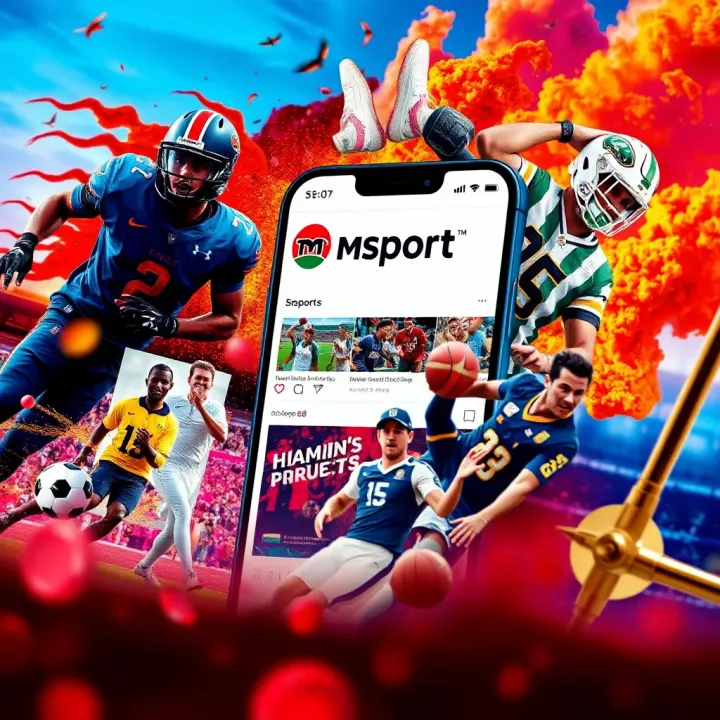
Discover how the Msport Instagram page connects Nigerian sports and entertainment fans 🎽, drives engagement 📲, and impacts our lively online community 🇳🇬

⚽ Explore Msport Juventus to see how Juventus FC blends top football wins with smart digital moves. Stay updated and connect with your favourite team through Msport channels in Nigeria 🇳🇬📱.
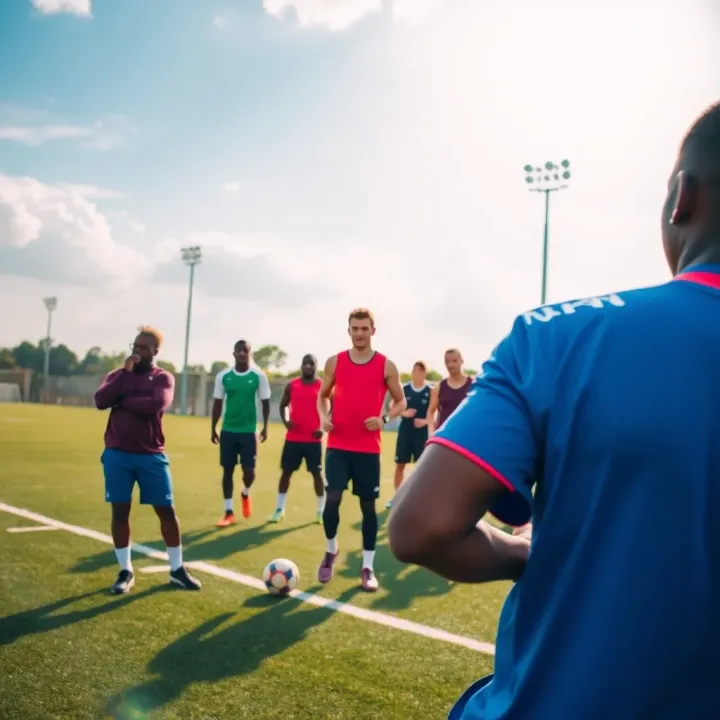
Discover how the MSport partnership boosts Nigeria’s sports scene⚽, supports communities🏘️, creates jobs💼, tackles challenges, and opens fresh opportunities for growth📈.
Based on 5 reviews