
Old Msport Shop Mobile: Nigeria's Trusted Mobile Retailer
Explore Old Msport Shop Mobile's rich history and wide product range in Nigeria 🇳🇬, plus customer experience insights and its future amid tech changes 📱🚀.
Edited By
Michael Dorman
The 2013 M-Sport mobile launched as a compact, budget-friendly device that quickly gained traction among users valuing durability and straightforward functionality. Though it lacks the flashy bells of recent smartphones, this model held its ground with solid design and performance that met the basic needs of users during its time.
Design and Build: Featuring a modest 4.5-inch display with a plastic casing, the M-Sport mobile was built to withstand daily wear and tear common in Nigerian environments. Its lightweight frame made it easy to carry, while the simple layout kept navigation user-friendly even for those less familiar with touchscreen technology.

Technical Specs: Running on a dual-core processor with 1GB RAM, this phone handled everyday tasks like calls, messaging, and basic apps without much hassle. Storage options hovered around 8GB but included a microSD card slot, letting users expand memory up to 32GB—a practical addition considering local reliance on offline media.
Battery Life: For Nigerian users, especially those facing irregular power supply, the device’s 1500mAh battery provided decent standby and talk time, roughly lasting a full day with moderate use. However, heavy internet browsing or app usage drained it faster, so charging availability remains a key factor.
Connectivity: Supporting 3G networks, the M-Sport allowed reasonable internet access compatible with most Nigerian network providers like MTN and Airtel. Wi-Fi capability made it convenient for users with home or office internet, albeit slower than the 4G speeds now common.
The M-Sport mobile of 2013 stands as an example of functional design tailor-made for its era, but users should weigh its limitations against today’s fast-paced digital demands.
For sports bettors and analysts relying on timely updates, live scores, or betting apps, the device’s performance may feel sluggish. On the other hand, for basic communication and offline tasks, it remains a reliable option.
Sturdy build with simple user interface
Modest processor and memory by today’s standards
Battery suitable for daily use under power challenges
3G connectivity supports essential online activities
Considering these points helps users, particularly in Nigeria, decide if revisiting older technology like the M-Sport mobile fits their current needs or if upgrading is more practical.
Understanding the old M-Sport Mobile 2013 model is key to grasping how mobile technology has evolved, especially within Nigeria’s diverse market. This section focuses on the device’s origins and design, providing insight into the practical benefits these features offered to users at the time and their lasting impact today.
When the M-Sport Mobile 2013 launched, it targeted the budget-conscious segment of the Nigerian market. This demographic often seeks phones with respectable features but without the premium price tag. At its release, the device stood out for balancing affordability and functionality amid heavy competition from international and local brands. It filled the gap for users who needed reliable communication tools but could not stretch to expensive smartphones.
Its market position was fairly unique because it catered to users who depended on basic smartphone capabilities: calls, messaging, and moderate internet usage without demanding high-end performance. In rural areas and smaller towns, where network coverage and power supply were irregular, this durability made it particularly appealing. For many, the model was a dependable companion amidst the challenges of daily connectivity.
The design of the old M-Sport Mobile 2013 aligned with the typical ruggedness expected of devices at the time. It featured a sturdy plastic frame with reinforced corners, which helped it withstand drops and rough handling—a common issue among users in Nigeria’s busy urban centres like Lagos or Kano. The device's size was practical, allowing easy one-handed use, especially useful for those multitasking between work and travel on okadas or public transport.
Its build quality showed an emphasis on durability over aesthetic finesse. For example, the screen was a modest 4-inch display with proven scratch resistance, avoiding the costly glass replacements that characterised more fragile phones. Buttons were tactile and responsive, catering to users who preferred physical feedback over touchscreen-only devices.
Despite its age, the M-Sport Mobile 2013’s design choices reflected a clear understanding of Nigerian users’ day-to-day realities — making it a worthwhile study for anyone interested in mobile technology adapted to local circumstances.
In summary, the old M-Sport Mobile 2013 was not just a phone but a practical tool designed around the socio-economic and infrastructural conditions familiar to many Nigerians. This baseline will help us compare its features and performance with current devices and better appreciate its place in Nigeria’s mobile history.
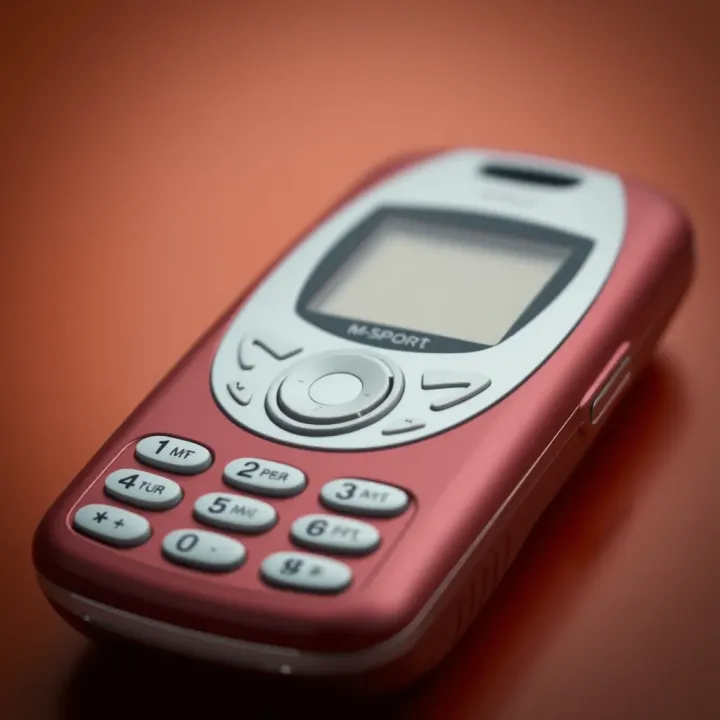
Understanding the technical features and specifications of the Old M-Sport Mobile 2013 model is crucial to appreciating its place in today’s mobile landscape. These elements reveal not only the phone's capabilities at launch but also how it stands up to current requirements. For Nigerian users, where network consistency and power availability can vary, knowing what this model offers helps decide if it meets practical needs or falls short.
The 2013 M-Sport comes with a 4.0-inch TFT display, offering a resolution of 480 x 800 pixels. While this might feel modest compared to the crystal-clear AMOLED screens common today, it still delivers a clear enough display for basic browsing, messaging, and app use. The touch interface is capacitive but not as responsive as modern mobiles, which may frustrate some users, especially when multitasking fast. However, for those familiar with the phone’s layout, the simple interface can be navigated effectively without much hassle.
Its straightforward user interface likely runs on a customised Android skin from 2013, meaning the layout maintains simplicity with large icons and easy menus. This can benefit older Nigerian users or those not keen on complicated smartphone setups, providing an uncomplicated experience akin to what is found on popular entry-level devices.
At the heart of the M-Sport 2013 sits a dual-core processor, running around 1.2 GHz. Though this sounds low by current standards—as most smartphones now sport octa-core chips clocking higher—it was sufficient for running lightweight apps and basic multitasking back then. This modest processing power means the device often struggles to keep up with resource-heavy applications or multiple apps running simultaneously.
Memory (RAM) sits around 512 MB to 1 GB, which restricts fluid multitasking and app performance by today’s standards. Storage also mirrors this minimalism, usually 4 GB internal memory, with the option for expansion via microSD card. That said, users who mainly rely on calls, SMS, and occasional app use can manage with the built-in specs without too much trouble.
The camera setup features a 5-megapixel rear shooter without flash and a basic front camera, making it less ideal for quality photography or video calls, especially in low light. However, for quick snaps to share on local social media or WhatsApp groups, it remains serviceable. The lack of advanced camera features found in newer phones, like optical image stabilisation or night mode, shows its age clearly.
For multimedia, the 2013 M-Sport supports MP3 and basic video playback, but file format compatibility is limited. Given the prevalent use of mobile music and streaming apps today, this phone may require some manual management of media files and may not support latest app versions efficiently.
When considering the 2013 M-Sport device, users should weigh these technical features against expected daily use. It performs decently for basic tasks but falls behind modern demands for speed, camera quality, and multimedia support.
For sports bettors, bookmakers, or journalists relying on fast, reliable apps and clear media, the model's limitations are clear. However, for secondary use or backup devices in areas with erratic power or poor network, the M-Sport’s technical simplicity can be an advantage.
Performance and user experience define how well the 2013 M-Sport mobile handles everyday tasks and real-life use. For sports bettors, analysts, and journalists, a phone's speed, reliability, and ease of use can directly impact the efficiency of placing bets, analysing data, or accessing betting platforms while on the move. This model, though dated, has qualities that still matter, such as battery strength and basic software usability. Understanding these features helps users appreciate what to expect when relying on a retro device in a demanding Nigerian environment.
The Old M-Sport mobile 2013 model packs a battery designed to last several hours on moderate use, but with years of wear, its holding capacity likely declines. Still, many users find it reliable enough for a day’s betting sessions or reporting out in areas with unstable power supply. The device's physical build is quite solid; its chassis and buttons withstand rough handling typical on Lagos roads or during ember months' hectic movements. This sturdiness gives it an edge over fragile smartphones, making it a pragmatic choice for users who need their phone to endure daily rigours without quick repairs or replacements.
Battery replacement is possible with this model at a relatively low cost in open Nigerian markets. Users can keep the phone running longer without signing up for more expensive modern gadgets, which often have sealed batteries. This practical durability and the ability to swap batteries helps when power outages hit unexpectedly.
Running on an older version of Android (or possibly a proprietary OS), the 2013 M-Sport mobile has limited compatibility with modern apps. While this affects access to some betting platforms or analytic tools, the lightweight software generally responds faster on the modest hardware than contemporary, resource-heavy interfaces would. The OS environment is straightforward, with fewer background processes draining performance, meaning the system feels snappy for basic functions such as calls, messaging, browsing, and some simple app usage.
Still, the trade-off is significant: users may miss out on security patches and latest app features crucial for secure wagering or real-time data analysis. For example, many app developers now require higher Android versions, making some betting applications incompatible. Therefore, those relying on the M-Sport 2013 mobile might need to access browser-based platforms or older app versions, which can be less user-friendly.
Older devices like the M-Sport mobile balance durability and simplicity but come with limitations on the newest software demands. Users must weigh these factors carefully, especially where timely updates influence betting outcomes and data accuracy.
In summary, the 2013 M-Sport mobile offers steady performance and notable user experience for fundamental tasks but strains under modern application demands. Its battery life and tough build suit the Nigerian environment, where power and device fragility remain challenges, but the software limits certain advanced functionalities important to the sports betting community and media professionals.
The 2013 M-Sport mobile model remains relevant in Nigeria mainly because of affordability and accessibility. While Nigeria’s mobile landscape has seen rapid technological advancement, many users still rely on older devices due to economic constraints. These devices often serve as reliable backups or primary phones for people outside big cities, such as in rural areas or smaller towns where network coverage and infrastructure can be patchy.
For Nigerian users, the M-Sport 2013 model ticks some practical boxes. Its relatively simple design and features mean it runs basic apps and communications without sapping much battery power—a big plus given unstable power supply and high generator fuel costs. For example, Lagos or Abuja commuters who spend hours on okada or danfo might prefer a phone with decent battery life that won’t die easily during the day.
Also, the 2013 M-Sport’s compatibility with older SIM card technology and 2G/3G networks allows continuous use in areas where 4G signals are weak or unavailable, which still applies to some Nigerians. People who primarily use WhatsApp, calls, and SMS find such phones enough for daily needs without paying extra for data-intensive apps common on modern smartphones.
That said, challenges exist when using the 2013 model today. Software updates have long stopped, exposing devices to security risks and limiting access to new apps or app versions, which Nigerian users increasingly rely on for finance, work, and socialising. A key issue for tech-savvy users or analysts is that the hardware struggles with newer apps, causing lag or crashes that hinder productivity.
Moreover, the lower camera quality and screen resolution do not meet current content creation standards many Nigerians now expect, whether for social media or work documentation. Battery degradation is also common after years of usage, and replacement parts can be scarce or costly locally.
Nigerian mobile users weigh cost against functionality. The old M-Sport offers affordability and durability but at the expense of modern features many now find necessary.
Overall, if you’re a sports bettor or journalist needing only core communication without high data demand, the M-Sport 2013 might still serve well. Yet, for users pushing the limits with live streaming, multitasking, or financial transactions, upgrading makes practical sense. The key for Nigerian users is balancing budget with the device’s capability in their particular environment.
Comparing the 2013 M-Sport mobile model to modern devices is key to understanding its practicality and limitations in today's Nigerian market. Technology has moved fast in the last decade, and recognising what the older model offers versus current phones lets buyers make informed decisions. This review focuses on performance, features, and value for users who may still consider older models.
Since 2013, mobile phones have improved drastically in several areas. First, processors have become more powerful and energy-efficient, meaning devices handle apps and multitasking far better without draining battery life quickly. For example, while the old M-Sport might run simple apps sluggishly, current models with octa-core processors power through games, streaming, and social media without lag.
Displays have also seen leaps in size, resolution, and durability. Modern smartphones often feature Full HD or higher screens with Gorilla Glass protection, unlike many 2013 models with smaller, low-res screens susceptible to scratches. This change impacts how users engage with content, especially for reading sports updates or watching highlights.
Camera technology deserves mention too. Whereas the M-Sport from 2013 likely has a basic rear and front camera, newer phones boast multiple lenses plus night mode, AI enhancements, and video stabilisation. This makes a difference if you want to capture moments or scan documents effortlessly.
Moreover, connectivity options expanded tremendously. The old model may only support 2G or 3G networks, while today's devices run on 4G LTE or 5G where available. Given Nigeria's improving telecom infrastructure, access to faster networks affects both browsing speed and call quality.
For many users in Nigeria, cost and functionality are major factors when choosing a phone. The 2013 M-Sport mobile might be affordable as a tokunbo buy, but it comes with trade-offs.
Older devices often struggle with app compatibility and software updates, exposing users to security risks and limited features.
If your needs are basic — calls, SMS, occasional WhatsApp — and budget tight, this model could be serviceable. However, consider the following before buying:
Battery health: Older batteries deteriorate, so performance might be poor even if the phone looks fine.
Network compatibility: Confirm the phone supports current Nigerian networks to avoid signal issues.
App support: Check if essential apps like betting platforms run smoothly without crashing or refusing installation.
Serviceability: Spare parts for older models can be scarce, raising repair costs.
Modern mid-range smartphones from brands like Tecno, Infinix, or Itel offer better value with up-to-date hardware, longer warranty, and access to Nigerian customer service centres. While pricier, they deliver smoother user experiences and fewer frustrations.
In summary, the 2013 M-Sport mobile holds a place for those on a tight budget needing basic functions, but understanding its limitations compared to new devices is crucial. For sports bettors and analysts who rely on swift access to information and reliable apps, investing in a recent model pays off in the long run.
Explore Old Msport Shop Mobile's rich history and wide product range in Nigeria 🇳🇬, plus customer experience insights and its future amid tech changes 📱🚀.
📲 Learn how to sign up for your old M-Sport account online in Nigeria with clear steps, eligibility tips, and solutions to sign-up issues. Manage your account confidently!
📲 Learn the M-Sport verification process in Nigeria! Get tips on documents, benefits, troubleshooting, and common user questions for smooth platform access.
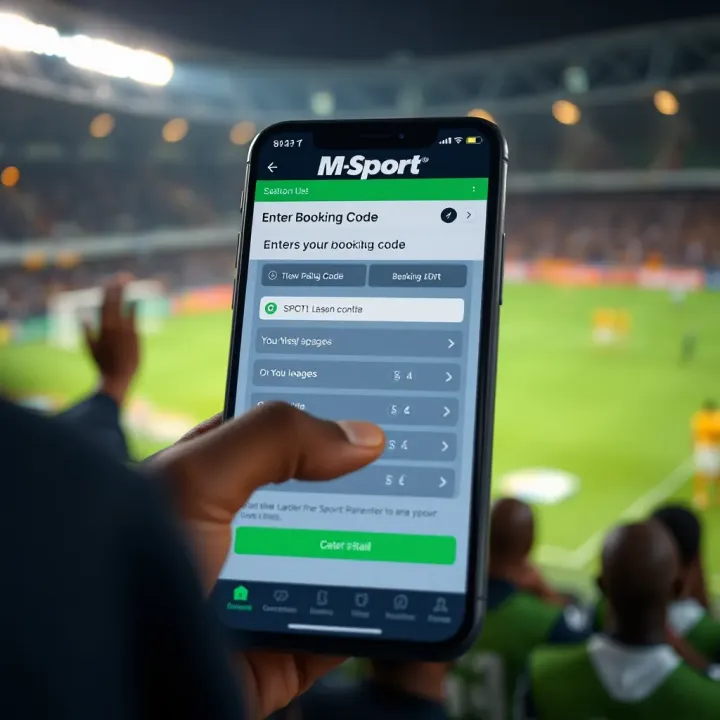
📲 Learn how to input your booking code on M-Sport easily with this clear Nigerian guide. Avoid mistakes, recover lost codes, and enjoy seamless sports betting now!
Based on 11 reviews