
Understanding Asian Handicap in Football Betting
🎯 Discover how the Asian handicap helps Nigerian football fans beat draws and boost winnings with clear outcomes and sharp odds. Master tips for smarter bets! ⚽️
Edited By
Samuel Fatoki
In sports, handicap refers to a system designed to level the playing field between competitors of varying abilities or conditions. This concept allows contests to be fairer by giving an advantage to the weaker player or team, ensuring that the outcome reflects skill and effort rather than mere physical or technical superiority.
Handicap is common in many sports, each adapting the principle differently. For example, in golf, a player's handicap number reflects the average number of strokes they take above par; a higher handicap means a less experienced player. When competing, this number reduces their total strokes, so a beginner can fairly challenge a professional. Tennis uses a similar idea in informal matches, where a stronger player may start with a point deficit.
In Nigerian football, especially in local leagues and betting, handicaps are applied to balance teams' chances. A popular form is the "Asian Handicap," familiar to bookmakers and analysts. Here, a favourite team might start with a setback like a goal deficit to even out the probable outcome, making betting more interesting and fair.
Handicap ensures competitions are not one-sided, increasing engagement for both fans and bettors, while maintaining fairness.
Understanding how handicaps affect scoring and betting odds is essential for anyone involved in sports analysis or wagering. For example, in athletics, handicaps might mean staggered start times for different racers, giving slower runners a timed advantage.
Typically, handicaps are calculated using historical performance data, recent form, or specific rules set by sports bodies. Nigerian analysts use statistics from local leagues and international matches to judge these numbers, and bookies adjust odds accordingly.
To sum up, handicaps:
Balance competition by adjusting starting points or scores
Encourage meaningful contests and fair betting markets
Depend on sport-specific rules and performance data
Are widely used in Nigerian sports like football and athletics
Knowing the role of handicaps helps you better assess matches and place informed bets. It’s not just about who is strongest, but about creating a space where skill and strategy decide the winner.
Understanding the term "handicap" in sports is fundamental for anyone involved in sports betting, analysis, or regulation. Defining handicap helps clarify how competitive fairness is maintained and why certain adjustments are necessary when players or teams of unequal strength compete. In Nigerian contexts, where sports range from football leagues to local motor racing events, recognising the nuances of handicaps ensures better interpretation of results and more accurate predictions.
The word "handicap" traces back to the 17th-century English practice of "hand-in-cap," a betting game where players placed equal stakes into a cap, and an umpire adjusted bets to even out chances. Over time, this concept evolved to represent a method of balancing contests, particularly in sports. Its practical relevance is seen everywhere from golf tournaments to horse racing, where handicaps prevent the strongest competitors from dominating outright.
In Nigeria, the term has been adopted mostly in sports where skill or ability gaps are evident, such as in amateur football competitions or local motorbike races, ensuring that contests remain open and engaging.
At its core, a handicap is a way to level the playing field by compensating for differences in skill, experience, or physical advantage. This usually takes the form of added weights, time penalties, or score adjustments. For instance, in golf, a player with a higher skill level starts with a lower handicap number, meaning they give strokes to less skilled players, making competition fairer.
The practical benefit is that it turns seemingly one-sided matches into competitive affairs, keeping excitement alive for participants and spectators alike. Without handicaps, games could become predictable, diminishing the thrill of the sport.
Handicaps exist primarily to balance competition. When an experienced football team plays against a less skilled one, applying a goal handicap can create more suspense by adjusting the starting score. This approach is especially relevant in Nigerian amateur leagues, where team disparities are common.
Balancing competition ensures that no single player or team has an overwhelming advantage, which sustains interest among fans and bettors. It also encourages tactical play because teams need to overcome the imposed challenge rather than rely solely on raw skill.
Another key aim of handicapping is to broaden participation by making sports accessible to a wider range of players or teams. When newcomers see they have a fair chance despite being less experienced, they are more likely to join.
For example, in community athletics meets, runners might receive time handicaps to offset age or training differences. This inclusion boosts grassroots development, which is vital for nurturing talent across Nigeria's diverse regions.
Handicaps uphold fairness in sports, not by diluting talent, but by recognising varying abilities and adjusting conditions to keep competition vibrant and open.
By understanding these aspects, sportsbettors, analysts, and regulators can better appreciate and apply handicap systems, adapting insights to the unique realities within Nigerian sports.
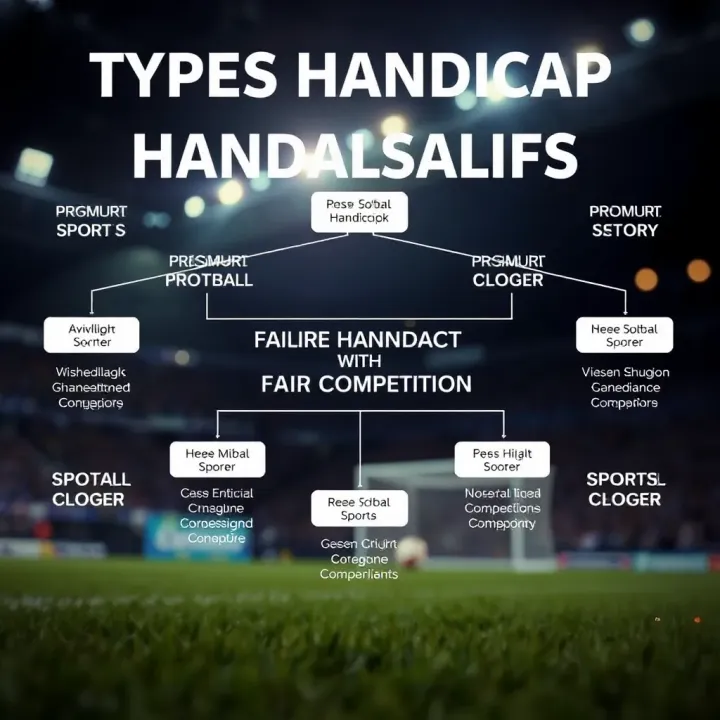
Handicaps vary widely from sport to sport, serving to level the playing field and make competitions more engaging. Understanding these types gives insight into how fairness is maintained and how athletes or participants adjust to these conditions. Different sports adopt specific handicap systems suited to their rules and dynamics, improving both competition and betting markets.
The golf handicap system quantifies a player’s skill level, allowing golfers of different abilities to compete fairly. It is calculated based on recent scores, course difficulty, and standardised rating systems. For example, a golfer consistently scoring higher than par will have a handicap reflecting this loss, while a better player will have a lower handicap. This figure adjusts over time, so if a player improves, their handicap drops, placing them in the right competitive bracket.
Handicap influences strategy: a player with a higher handicap might play more conservatively but still stand a chance to win against advanced players. Since handicaps balance differences, even casual golfers find motivation and can enjoy serious contests. For sports analysts and bookmakers, golf handicaps help predict potential outcomes and create fair betting odds that attract more participation.
In horse racing, handicaps are often assigned by the weight a horse must carry during a race. A faster horse carries more weight to slow it down, balancing it against competitors. For instance, a top-performing horse might carry an extra 5 to 10 kilograms compared to less successful rivals. This system ensures unpredictability and fairness, crucial for fans and betting operators who thrive on competitive uncertainty.
Sports like athletics, swimming, and even football leagues sometimes apply time or point handicaps to balance competitors. This could mean a less experienced athlete starts the race earlier or a football team begins with a points deficit to even out strength differences. Such handicaps encourage broader participation and maintain audience interest by making outcomes less predictable. Betters and pundits find handicaps valuable for assessing true chances beyond raw performance stats.
Handicaps are more than just numbers or weights; they shape competition dynamics, influence strategy, and affect betting markets by adding layers of fairness and complexity essential for modern sports.
This variety of handicap systems shows how sports across the board adapt to varying skill levels and conditions, helping maintain excitement and fairness both on the field and in betting arenas.
Handicaps play a crucial role in creating fairness and balancing competition in sports. By adjusting for differences in skill, experience, or other factors, handicaps help ensure contests are engaging and equitable. This principle resonates strongly in Nigerian sports, where diverse skill levels among participants are common, especially in amateur and community tournaments.
Handicaps aim to reduce the gap between more and less experienced players or teams. For example, in Nigerian local football leagues, a team of amateur enthusiasts might face a more skilled or physically stronger opponent. Applying handicaps such as starting points or adjusted goals can make matches competitive rather than one-sided. This approach is practical because it motivates players to improve while keeping games exciting.
In golf, the handicap system allows amateur and professional players to compete together by accounting for differences in skill. Similarly, in Nigerian athletics meets, different categories may have handicaps based on age or previous performance, making the competition fairer and more inclusive.
A balanced game tends to draw more attention from fans and bettors. When games are predictably uneven, the crowd's enthusiasm often drops. Handicaps inject uncertainty and excitement by evening the playing field. This dynamic promotes greater spectator engagement, attendance, and even media coverage.
In horse racing events organised in Nigeria, handicaps by weights help level the chances among horses of varying abilities. This unpredictability keeps spectators at the edge of their seats, boosting betting activities and overall event profitability.
Fair competition not only rewards skill but also encourages community participation and sustained interest.
Handicap systems can be manipulated if not properly regulated. Unscrupulous players or teams may deliberately underperform to receive more favourable handicaps, a practice known as sandbagging. This tactic undermines fairness and damages the integrity of competitions.
In Nigerian amateur tournaments, where monitoring may not be stringent, such behaviour sometimes goes unnoticed. Addressing this requires transparent rules and effective oversight from sports authorities.
While handicaps intend to create fair contests, opinions are divided on how well they achieve this. Some argue the systems add unnecessary complexity and may confuse participants or fans, especially those new to the sport.
Additionally, handicaps might not fully bridge skill gaps in highly competitive spheres. For example, even with handicaps, the gulf between professional and amateur athletes remains noticeable in national events. Hence, continuous review and adaptation of handicap criteria are necessary to maintain their relevance and fairness.
Effective handicapping strikes a balance—promoting inclusiveness without diluting the competitive spirit. Nigerian sports administrators must weigh these pros and cons carefully when applying handicap systems.
Handicap systems hold significant weight in Nigerian sports, especially as they provide a practical way to level playing fields across various events. In a sporting landscape marked by diverse skill levels and limited resources, handicaps help bridge gaps and foster more competitive encounters. This section highlights how handicaps are applied within local sports settings and explores their cultural and practical importance.
In Nigerian motor racing circuits, handicaps often come in the form of staggered starts or time penalties based on the previous performance of drivers. This approach ensures that faster, more experienced drivers don't dominate every race and gives emerging talents better chances to compete. Local tournaments, including athletics and cycling races organised by communities or clubs, similarly use handicaps like distance adjustments or time allowances to invite wider participation. These systems have practical relevance as they maintain interest in sporting events that might otherwise be predictable or one-sided.
In amateur football leagues across Nigeria, handicap systems sometimes manifest through adjustments like extra goals given at the start of matches or modified rules that favour weaker teams. For instance, in community football tournaments, less experienced teams may receive a one-goal advantage to compensate for limited resources or coaching. This practice improves match excitement and fairness, encouraging more teams and spectators to engage actively. Given the informal structure of many grassroots football leagues, handicaps create a sense of balance without complicated calculations.
Handicap systems in Nigerian sports serve as tools for fostering community involvement. By making games more competitive, handicaps attract spectators and participants who might otherwise feel excluded. Community football matches, local marathons, and cycling contests often leverage handicaps to promote inclusivity, turning neighbourhoods into spirited hubs of activity. This involvement extends beyond sport—strengthening social bonds and encouraging youth participation in positive activities.
In a sporting culture where fairness sometimes clashes with resource disparities, handicaps promote equitable competition. They discourage overpowering dominance by a few and reward effort and improvement among less privileged players or teams. This practical application is crucial in Nigerian contexts, where uneven access to training and facilities can hamper talent development. Handicap systems thus support not only fairness but also the growth of sportsmanship and respect among competitors.
Handicaps in Nigerian sports help ensure that talent shines through regardless of background or training conditions. This makes competitions more thrilling and widely embraced.
Overall, handicap systems in Nigerian sports provide a balanced framework that supports competition, encourages wider participation, and enhances community spirit, making them invaluable in local sporting contexts.
Handicap systems have proven their worth in sports by balancing competition and keeping matches engaging for players and spectators alike. In Nigeria’s dynamic sports scene, from amateur football leagues in Lagos to motor racing events in Abuja, handicaps help level the playing field, allowing less experienced athletes to challenge stronger opponents. This fosters inclusivity and sustains interest, especially in communities where resources and training opportunities vary widely.
Handicaps adapt competition to account for differences in skill, experience, or physical condition. Without them, contests could become one-sided affairs, losing excitement and discouraging participation. For example, in Nigerian grassroots football, applying a goal handicap can motivate smaller community teams to push for better results against more established clubs. This not only heightens competitive spirit but also supports talent development across regions.
Besides fairness, handicaps influence betting markets by providing more balanced odds, which appeals to punters and bookmakers. Using weight handicaps in horse racing, for instance, allows bettors to weigh risks realistically, enriching Nigeria’s horse racing culture centered around Kaduna and Jos racecourses.
Looking ahead, technology will reshape how handicaps are calculated and applied. Data analytics and performance tracking could bring personalised handicaps based on detailed metrics rather than broad categories. This innovation may level the field with greater precision in sports like athletics, where timing and consistency matter. Nigerian sports federations and betting operators could adopt mobile apps to update handicap ratings in real-time, enhancing transparency and engagement.
Also, expanding handicap use beyond traditional sports into e-sports and emerging competitions reflects changing interests among Nigerian youths. These new arenas will require fresh approaches to handicapping that consider different skill sets and game mechanics.
As sports evolve, handicaps will remain key to fair play and competition excitement. Updating systems with local data and technology ensures relevance to Nigerian athletes, fans, and stakeholders.
Ultimately, maintaining public trust in handicap systems and continuing education on their purpose will cement their place in Nigeria’s vibrant sports and betting landscape, supporting growth and enjoyment for all involved.
🎯 Discover how the Asian handicap helps Nigerian football fans beat draws and boost winnings with clear outcomes and sharp odds. Master tips for smarter bets! ⚽️
Discover the MSport code's role in Nigerian sports betting 🎯; learn how to use it securely, avoid risks, and explore its impact on Nigeria’s sports culture and economy ⚽💰.

Learn all about MSport by owner ⚽️—what it means, how to manage and value your assets properly. Practical guide for Nigerian investors and business owners 🇳🇬.
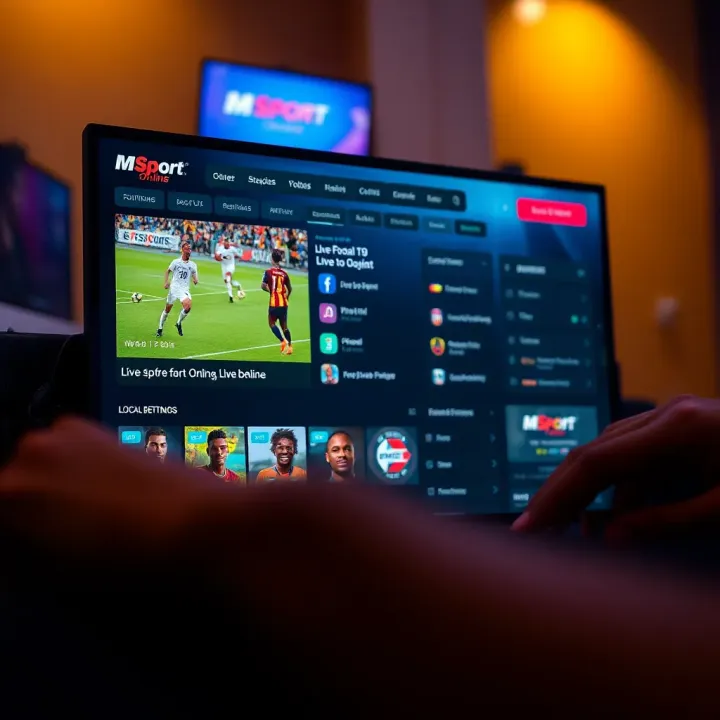
🎥 MSport Online offers live sports streaming, betting tips, and updates tailored for Nigerian fans. Learn how to access and use it safely in Nigeria today! 🇳🇬⚽
Based on 7 reviews