

Understanding MSport UFC: Key Facts for Nigerian Fans
Discover MSport UFC 🌍, the go-to platform for streaming UFC fights in Nigeria 🇳🇬. Learn about subscription fees, event coverage, and legal access tips for true MMA fans 🥋.
Edited By
David Ajayi
MSport by owner refers to the ownership and management of sports assets or properties directly by individuals or entities rather than through intermediaries. In Nigeria, this concept is increasingly relevant as local investors and clubs seek to control their sports assets to maximise revenue and influence.
Owning MSport assets can mean holding rights in sports teams, facilities, or associated intellectual property like broadcasting or merchandising rights. For example, a businessman who owns a football club in the Nigeria Professional Football League (NPFL) controls not just the team but also its brand and revenue streams coming from sponsorships, ticket sales, and media rights.

Understanding how MSport ownership operates requires grasping several key factors:
Legal Registration: Proper documentation with the Nigeria Football Federation (NFF) or relevant sports governing body ensures ownership is recognised under Nigerian law.
Asset Valuation: The worth of a sports asset can fluctuate based on team performance, fan base size, and market interest. Accurate valuation helps owners make informed decisions.
Revenue Streams: Income from gate collections, broadcasting deals, merchandise sales, and sponsorships form the backbone of MSport asset profitability.
Management Responsibilities: Owners must handle operational decisions, player contracts, and financial oversight. For instance, a club owner in Lagos might need to juggle funding for stadium maintenance and talent scouting simultaneously.
Regulatory Compliance: Nigerian sports authorities enforce rules to promote fairness and transparency. Owners must comply with licensing, tax obligations under FIRS, and anti-corruption measures by agencies like EFCC.
Effective MSport ownership combines passion for sports with sound business practices. Without proper management, assets can quickly lose value or face legal issues.
Challenges linked with owning MSport assets in Nigeria include unstable funding, fluctuating naira value affecting sponsorship deals, and infrastructure deficits like poor stadium facilities. However, the rise of digital platforms and fintech solutions such as Paystack and Flutterwave have opened new income avenues through online merchandising and ticket sales.
To get started, a Nigerian investor should:
Conduct thorough due diligence on the asset’s condition and market potential.
Engage qualified sports management professionals familiar with local and international best practices.
Develop clear strategies for monetisation, fan engagement, and compliance.
In summary, MSport by owner signifies a direct stake in Nigeria's sports ecosystem offering both opportunities and responsibilities. When managed smartly, it can yield cultural pride and financial returns alike.
Understanding what MSport by owner means is essential for anyone involved in the sports ecosystem, whether you're a bettor, analyst, journalist, bookmaker, or regulator. At its core, MSport by owner refers to the ownership and control of digital or physical sports-related assets, giving holders the rights and responsibilities to manage, profit from, or influence these assets directly.
In ownership terms, MSport usually points to assets that represent rights linked to sporting events, teams, or platforms facilitating sports transactions. This can include anything from digital licences, platform shares, or stakes in sports data rights, to tangible properties like sponsorship contracts or broadcasting licences. Owning MSport means you carry legal and operational control, allowing you to make decisions that impact the asset's use, development, and monetisation.
Consider a situation where a bookmaker acquires MSport ownership of a local football league's betting rights. This ownership gives them authority over how bets are offered, marketed, and settled on that league. Similarly, a sports analyst who owns a stake in an MSport platform providing live data feeds can influence delivery quality and monetise access through subscription models.
Owning MSport is not just about possession but responsibility — managing risks, ensuring compliance, and optimising asset value are all part of the package.
MSport assets come in diverse forms, particularly in Nigeria’s growing sports and digital economies. Common examples include:
Data Rights: Ownership of real-time statistics and match information used by media, betting companies, and analysts.
Broadcasting Licences: Legal rights to televise or stream sporting events, which can be leased or sold.
Platform Shares: Equity stakes in sports betting apps or analytics platforms such as BetKing Nigeria or SportyBet.
Sponsorship Contracts: Agreements giving rights to use team or event branding for marketing purposes.
Digital Tokens/Assets: Emerging areas like NFTs representing exclusive sports memorabilia or experiences.
For example, a sports marketing firm holding a sponsorship contract with a Nigerian football club gains exclusive rights to promote the team’s brand, turning this into a valuable MSport asset.
Knowing the nature of MSport assets you own helps you understand their potential value and guides how you manage them for maximum benefit. The ownership concept extends beyond mere possession to active engagement and strategic management tailored to Nigeria’s vibrant sports landscape.
Understanding how ownership of MSport works is key for anyone directly involved in sports betting, analysis, or regulation. This section breaks down the legal setup and daily responsibilities of MSport owners, helping you grasp what it means to hold these assets within the Nigerian context.
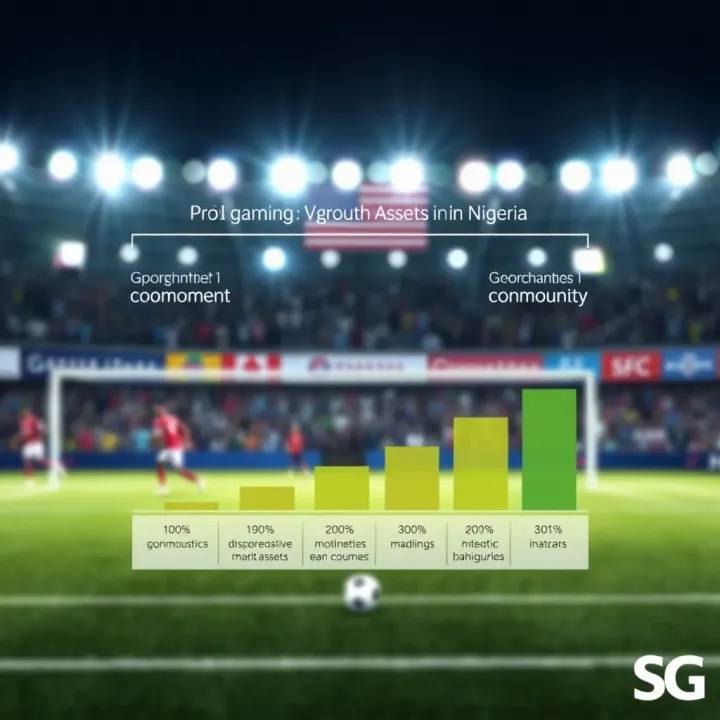
Owning MSport assets entails compliance with specific laws and regulations that govern sports betting and associated operations in Nigeria. The National Lottery Regulatory Commission (NLRC) works closely with operators to ensure legal standards are met. An MSport owner must hold valid licensing from the Commission to operate betting services.
For example, a bookmaker running an MSport platform in Lagos must obtain and regularly renew a licence under the Lottery Act, which ensures their activities are lawful and monitored. The ownership structure should also be transparent to avoid complications with tax authorities like the Federal Inland Revenue Service (FIRS), which demands proper registration and payment of applicable levies.
In addition, owners must adhere to anti-money laundering laws to prevent their platforms from being used for illicit transactions. Failure to comply can result in heavy fines, licence suspension, or outright revocation. Therefore, understanding the legal boundaries is essential for protecting your investments and maintaining operational continuity.
Owning MSport assets involves practical duties that go beyond just possession. Owners are responsible for ensuring their platforms operate fairly, securely, and reliably. This includes maintaining accurate betting odds, promptly settling bets, and safeguarding user data.
Moreover, owners must manage compliance with regulatory reporting requirements. In practice, this means submitting regular financial statements and operational reports to the NLRC and other relevant bodies. For instance, a sportsbook owner in Abuja is expected to file monthly performance reports detailing turnover and winner settlements.
On the operational side, MSport owners need to keep their infrastructure up-to-date to avoid downtime during peak betting periods, such as major football tournaments which see spikes in user activity. Delays or failures here can hurt customer trust and reduce revenue.
Good ownership means balancing adherence to legal frameworks with effective management. This safeguard ensures the business stays legitimate and profitable.
Owners should also ensure robust customer service to handle disputes or queries from bettors. This keeps the platform’s reputation healthy and aligns with best market practices. In summary, MSport ownership is both a legal and operational commitment that demands attention to detail and dedication to quality management.
Owning MSport assets presents both opportunities and challenges that anyone involved—whether a sports bettor, analyst, bookmaker, or regulator—should understand clearly. These assets, ranging from rights to data feeds, digital platforms, broadcasting licences, to stadium facilities, have distinct financial and operational implications. Appreciating the pros and cons helps stakeholders make informed decisions and manage risks effectively.
A primary benefit of owning MSport assets lies in their potential for steady revenue generation. For example, a bookmaker owning exclusive data feed rights can offer more accurate odds, attracting more bettors and increasing turnover. Similarly, owning broadcasting rights for local football matches allows you to monetise through advertising, subscriptions, or pay-per-view schemes.
Operationally, ownership gives control over how asset features evolve. Suppose you own an online sports platform; you can innovate user experience to enhance engagement without relying on third-party terms. This autonomy aids quick adaptation to market trends and customer preferences, which is crucial in Nigeria’s rapidly growing digital economy.
Besides, owning physical assets like stadiums brings value through event hosting, concessions, and brand partnerships. For instance, a stadium owner in Lagos can rent out the facility for concerts during football off-seasons, creating multiple income streams.
Ownership of MSport assets is not without risks. One is regulatory compliance – Nigerian laws on sports betting and broadcasting can change, potentially impacting asset value or usage. Staying updated with SEC Nigeria and NCC regulations, and having legal counsel, greatly reduces compliance risks.
Another challenge is technology obsolescence. Without periodic updates, digital platforms or data systems risk becoming outdated, deterring users. To address this, budgeting for regular upgrades and adopting scalable technology solutions can help maintain relevance.
Financial exposure is also a concern. Investing in MSport assets often demands significant upfront capital, and returns may fluctuate due to competition or economic downturns. Mitigation here involves thorough market research, diversifying asset portfolio, and prudent financial planning.
Lastly, operational risks such as event cancellations or security lapses at physical venues can hurt reputation and revenue. Implementing robust risk management practices—including insurance coverage, safety protocols, and contingency planning—is necessary for smooth operations.
Owning MSport assets combines promising advantages with inherent risks. Awareness of these dynamics enables you to leverage benefits while managing challenges systematically.
Financial Advantages: Revenue from exclusive rights, advertising, subscriptions, and events
Operational Control: Freedom to innovate and align assets with market needs
Risks: Regulatory changes, tech obsolescence, financial exposure, operational setbacks
Mitigation: Legal compliance, technology updates, market research, risk management
Understanding these factors allows sports professionals and investors in Nigeria to navigate the MSport ownership landscape wisely and capitalise on its opportunities.
Maintaining MSport property is not just about keeping things tidy; it's about protecting your investment and ensuring it performs optimally. For sports-related assets—from stadium facilities to sports equipment—regular management helps reduce unexpected costs and extends the asset's lifespan. In Nigeria, where power outages and environmental conditions can be tough on infrastructure, proper upkeep is even more critical.
Start with a clear maintenance schedule tailored to the specific MSport asset. For instance, a sports facility requires routine inspections of lighting, seating, and pitch conditions, especially during and after the rainy season when grass and surfaces can deteriorate quickly. Preventive maintenance, such as cleaning drainage systems and checking electrical wiring, prevents bigger problems that disrupt use or lead to costly repairs.
It's also wise to train dedicated staff or contractors familiar with MSport property demands. For example, a trusted facility manager can spot signs of wear on goalposts or scoreboards and arrange timely repairs. Documentation of maintenance activities ensures accountability and helps track recurring issues. Practical routines like seasonal repainting and pest control protect structures in the long run.
Technology plays a growing role in optimising maintenance of MSport assets. Digital tools such as maintenance management software allow owners to schedule tasks, record repairs, and monitor asset health in real time. For example, Nigerian sports facilities can use mobile apps to report faults instantly, enabling quicker responses.
Drones and sensors also offer modern solutions. Sensors installed on a pitch can measure soil moisture or turf health, reducing water use and alerting managers before conditions worsen. Meanwhile, drones can inspect hard-to-reach spots on stadium roofs or lighting trusses within minutes, saving time and reducing risk.
Efficient management combines traditional upkeep with technology to reduce downtime and save cost. Nigerian MSport owners who embrace this balance will see better asset reliability and increased value.
Investing in technology should be gradual and suited to the asset scale. Even simple digital logs can improve operations significantly compared to paper-based records commonly used. The key is making these tools work practically within local contexts like generator power use or internet access variability.
Overall, managing and maintaining MSport property carefully protects your investment, enhances user experience, and supports long-term profitability. Adopting these best practices and pragmatic technologies keeps your MSport assets ready for action every time.
Understanding the value of MSport assets is vital for anyone involved in owning or investing in these properties. Without proper valuation, owners may struggle to make informed decisions about buying, selling, or improving their holdings. In Nigeria’s sporting industry, MSport assets can include sports facilities, equipment, and rights related to sporting events — all of which require accurate valuation to assess their true worth and potential.~
Several valuation methods fit MSport assets, depending on their nature and purpose. One common approach is the cost method, which estimates value by calculating how much it would cost to replace the asset minus depreciation. For example, a multi-purpose sports complex in Lagos might be valued based on the cost to rebuild it today, minus wear and tear.
Another model is the market comparison method, where similar MSport assets recently sold are analysed to estimate value. This works well when facilities or equipment are traded frequently in the market, although in Nigeria, such transactions may not be very transparent or frequent, creating challenges.
The income approach is particularly useful when MSport assets generate revenue, like stadiums often do through ticket sales and events. This method calculates the present value of expected future income streams, accounting for operational costs — giving owners a clearer picture of their investment returns.
Choosing the right valuation method depends on asset type, available data, and intended use, making professional advice crucial for accurate assessment.
Investment returns on MSport assets hinge on multiple factors. Location plays a significant role; a stadium in Abuja may attract more events than one in a less accessible area, influencing profitability. Management practices matter too — well-maintained facilities with strong marketing draw more usage and generate higher income.
Economic conditions, such as naira exchange rates and inflation, can affect operational costs and investment value. Licensing and regulatory environments also impact returns, especially where permits and ownership rights are concerned.
Finally, the timing of investment matters. For instance, investing in MSport assets before major events like the National Sports Festival or during ember months can enhance value and returns due to increased demand.
Owners should weigh these factors carefully to predict realistic returns and avoid overspending. In summary, valuing MSport assets accurately and understanding what drives investment returns can significantly improve decision-making and profitability in the Nigerian sports business.
Discover MSport UFC 🌍, the go-to platform for streaming UFC fights in Nigeria 🇳🇬. Learn about subscription fees, event coverage, and legal access tips for true MMA fans 🥋.
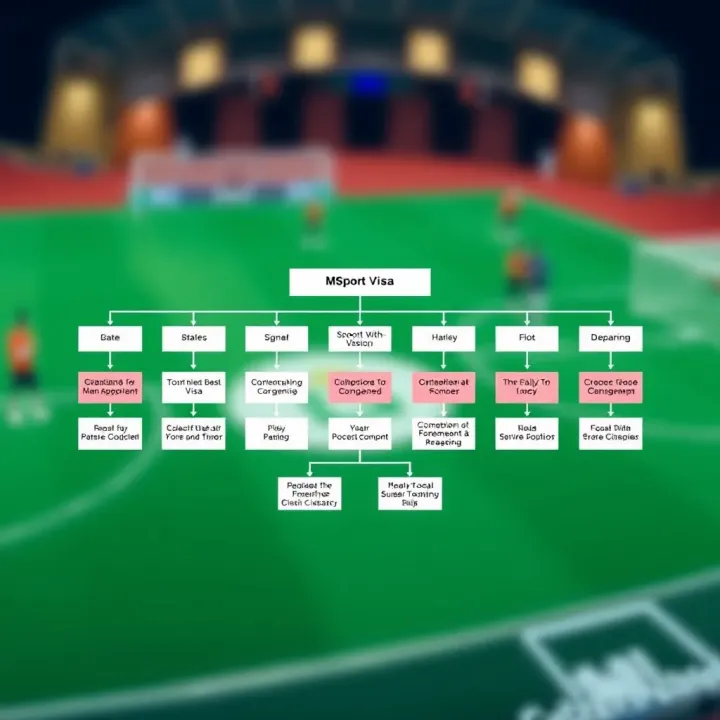
⚽ Thinking of getting an MSport visa for sports in Nigeria? Discover all you need: requirements, documents, application steps & common issues faced by applicants.
Explore MSport's Spaceman Strategy 🚀—a practical guide explaining its key features, uses in business and sports, plus tips to overcome challenges and optimise results in Nigeria.
🔒 Learn how to set, reset, and secure your MSport login password with ease. Solve common issues and protect your account in Nigeria's digital space today.
Based on 10 reviews